
January 07 | Agricultural Technology AgriTech
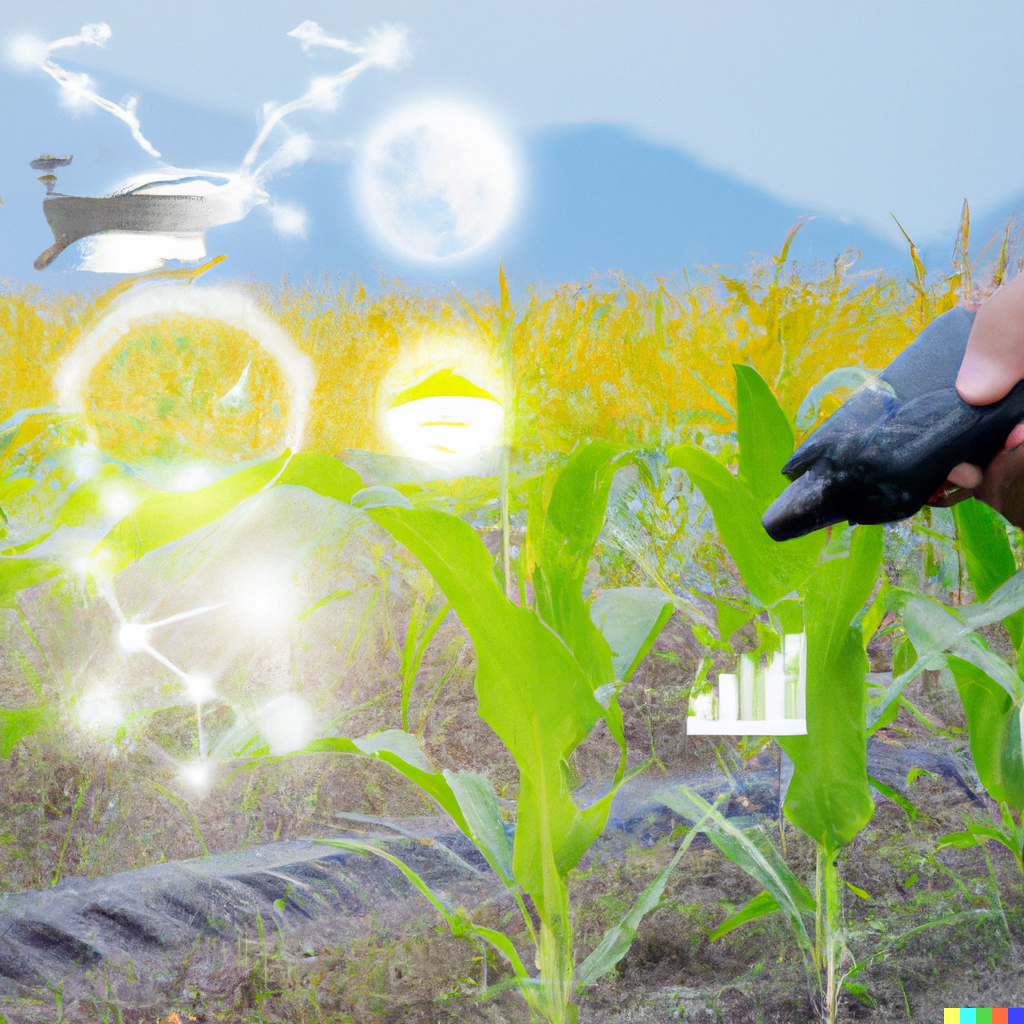
Agriculture is entering a new era—one defined not by manual labor and unpredictable weather patterns, but by data, automation, and intelligent systems. Agricultural Technology—widely known as AgriTech—is reshaping how food is grown, harvested, distributed, and consumed. As global populations climb and climate change intensifies, AgriTech has become more than a convenience; it is a necessity.
In this article, we’ll explore what AgriTech encompasses, why it’s crucial, the technologies driving change, real-world applications, and what the future holds for this rapidly evolving sector.
AgriTech refers to the use of modern technology to improve the efficiency, sustainability, and profitability of agricultural systems. This includes innovations in automation, data analytics, biotechnology, farm management software, and supply chain optimization.
Put simply, AgriTech modernizes farming—making it more predictable, scalable, and environmentally responsible.
By 2050, the world population is expected to exceed 9.7 billion. To meet demand, food production must increase by more than 70%, even as arable land declines. AgriTech helps farmers grow more with fewer resources.
Droughts, floods, and extreme weather directly affect crop yields. Technologies like climate-smart irrigation and predictive analytics help farmers anticipate challenges and mitigate risks.
Farming communities worldwide face declining labor availability. Robotics, automation, and AI-powered tools fill the gap efficiently and affordably.
Consumers and regulators push for more transparent, eco-friendly food systems. AgriTech supports sustainable practices like precision fertilizer use, water conservation, and traceability in supply chains.
Precision agriculture uses sensors, drones, GPS mapping, and data analytics to monitor and optimize crop and soil health.
Benefits:
Tools involved include soil moisture sensors, smart irrigation systems, and drone-based crop imaging.
Farm robots are increasingly capable of performing labor-intensive tasks such as:
Robotic harvesters, for example, can pick fruits like strawberries and apples with precision, addressing labor shortages and boosting productivity.
Drones equipped with multispectral and thermal cameras help farmers:
High-resolution aerial imagery gives farmers a bird’s-eye view of their operations, enabling faster and more accurate decision-making.
IoT-connected sensors collect real-time data on:
This data feeds into farm management platforms that automate farm processes and optimize inputs.
AI analyzes vast amounts of farm data and guides predictive decisions related to:
Machine learning enhances accuracy over time, making farms smarter with every cycle.
Genetic engineering tools like CRISPR are used to create:
Biotech innovations help farmers maintain productivity despite climate challenges.
Urban agriculture is growing through vertical farms and greenhouse automation.
Advantages:
LED lighting, climate control, and plant sensors enable farms to operate in warehouses, cities, and even deserts.
Farmers can automate irrigation based on soil moisture levels, saving water and energy.
Wearable devices track animal movement, detect illness early, and improve breeding cycles.
Blockchain enhances traceability from farm to consumer—reducing fraud and increasing food safety.
Mobile platforms connect farmers with buyers, suppliers, and advisors, giving small-scale farmers access to global markets.
Overcoming these barriers requires government support, affordable technologies, and inclusive digital education programs.
Agriculture is on the brink of a technological revolution. Over the next decade, expect to see:
AgriTech will play a central role in feeding the world sustainably while addressing climate and resource constraints.
AgriTech is not just about modernizing farming—it’s about reshaping the entire global food system. From AI-powered tools to biotechnology and automation, the innovations emerging today will define the future of agriculture. As stakeholders across the supply chain adopt these technologies, farming will become smarter, more sustainable, and more resilient.
The farms of tomorrow will be connected, automated, and data-rich—and AgriTech is the bridge that will take us there.
SHARE THIS:
© Copyright 2026Global Tech AwardsAll Rights Reserved