
September 22 | Agricultural Technology AgriTech
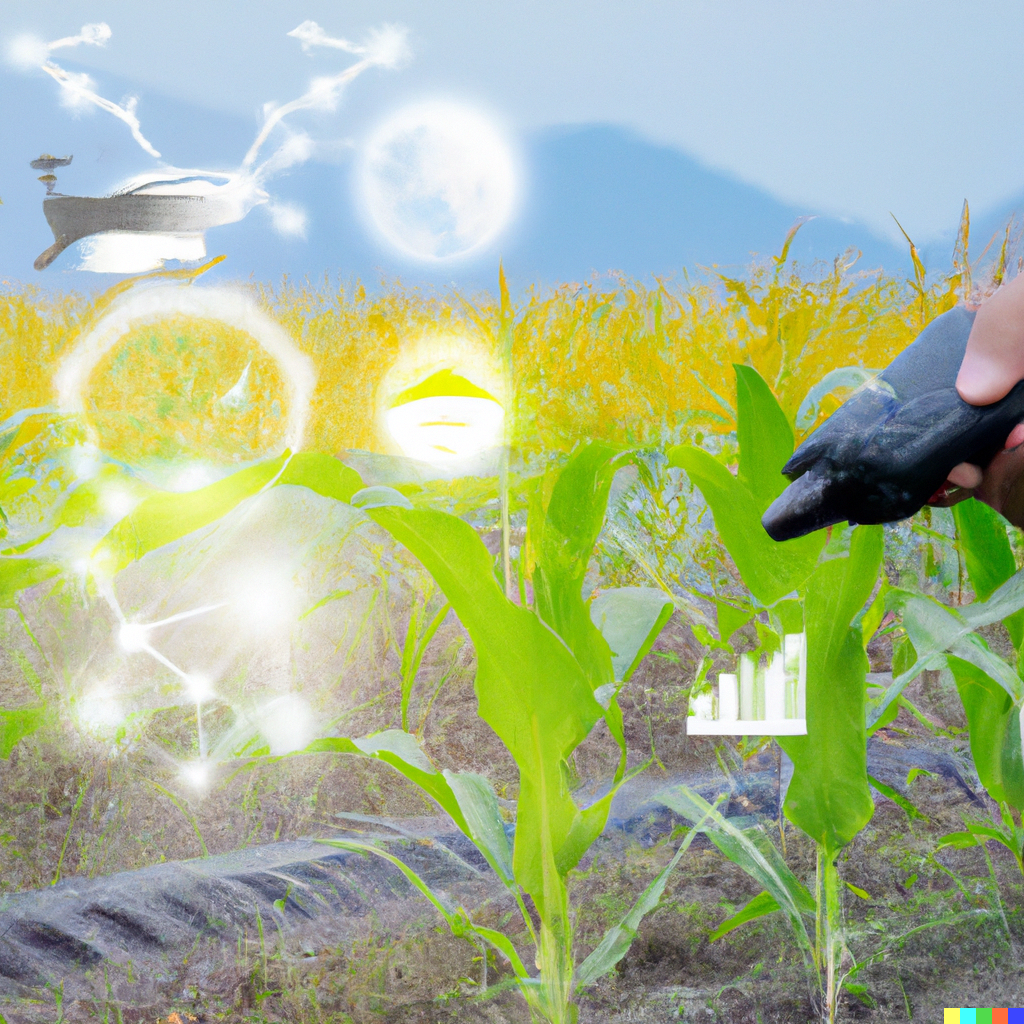
Agriculture has always been closely connected to technology. From the invention of the plow to modern tractors, irrigation systems, and crop varieties, technological innovation has continuously changed how food is produced. Today, however, agriculture is undergoing one of its most significant transformations yet.
Agricultural Technology, commonly known as AgriTech, combines agriculture with modern technologies such as artificial intelligence, robotics, satellite imagery, drones, sensors, automation, biotechnology, and data analytics. These technologies are helping farmers make more informed decisions, use resources more efficiently, improve crop productivity, and respond to increasingly complex environmental and economic challenges.
As the global population grows and agricultural resources face increasing pressure, AgriTech is becoming an important part of the future of food production.
Agricultural Technology refers to the use of technological innovations to improve farming and agricultural processes.
AgriTech covers a broad range of applications, including:
The goal is not simply to introduce more technology into farming. Instead, AgriTech aims to help agricultural producers make better decisions while improving productivity, profitability, resource efficiency, and resilience.
Modern agriculture faces several major challenges. Farmers must produce sufficient food while dealing with changing weather patterns, soil degradation, water limitations, labor shortages, pests, diseases, fluctuating commodity prices, and increasing input costs.
Traditional farming methods remain essential, but technology can provide farmers with information and tools that were previously unavailable.
For example, instead of treating an entire field uniformly, a farmer can use soil sensors, satellite imagery, or drones to identify areas that need additional water or nutrients. Rather than inspecting thousands of plants manually, computer vision systems can identify signs of disease or stress.
This shift from generalized farming to data-driven farming is one of the defining characteristics of modern AgriTech.
One of the most important areas of AgriTech is precision agriculture.
Precision agriculture uses data, sensors, GPS, satellite imagery, and automated equipment to manage agricultural fields with greater accuracy.
Traditional farming may involve applying similar quantities of fertilizer, water, or pesticides across an entire field. Precision agriculture allows farmers to identify differences within individual fields and adjust management practices accordingly.
For example, a field may contain areas with:
Using technology, farmers can analyze these differences and respond accordingly.
Precision agriculture can help farmers:
GPS-guided machinery can also improve planting and harvesting accuracy while reducing overlap and unnecessary passes across fields.
Artificial intelligence (AI) is becoming increasingly relevant to agriculture.
AI systems can analyze large quantities of agricultural data and identify patterns that may be difficult to detect manually.
For example, AI can be used to analyze:
Machine-learning models can then be used to support decisions such as when to irrigate, where crop stress is occurring, or which areas of a field may require additional attention.
One promising application involves computer vision.
Farmers or agricultural workers can capture images of plants using smartphones, drones, or specialized cameras. AI systems can analyze those images for visual symptoms associated with certain diseases, nutrient deficiencies, or pest damage.
Early identification can give farmers more time to investigate a problem and determine an appropriate response.
AI does not eliminate the need for agricultural expertise. Instead, it can function as a decision-support tool that helps farmers process information more quickly.
Drones have become an increasingly useful tool for agricultural monitoring.
Equipped with cameras and specialized sensors, agricultural drones can capture detailed images of fields from above.
Depending on the equipment being used, drones can help identify:
A drone can survey large areas relatively quickly, allowing farmers and agronomists to focus their attention on areas that require closer inspection.
Some agricultural drone systems can also be used for targeted application of certain agricultural products where permitted by local regulations.
The broader advantage is that drones can provide a more detailed view of field conditions without requiring someone to physically inspect every section of a large farm.
Water management is one of the most important challenges facing agriculture.
Agricultural technology can help farmers determine when and where irrigation is needed.
Smart irrigation systems can combine information from:
Instead of irrigating according to a fixed schedule, automated systems can adjust irrigation based on measured conditions.
For example, if soil moisture is already sufficient after rainfall, an automated system may delay irrigation.
This approach can help improve water-use efficiency while maintaining suitable growing conditions for crops.
The Internet of Things (IoT) refers to networks of connected devices that collect and exchange data.
In agriculture, IoT sensors can be installed throughout farms, greenhouses, livestock facilities, and storage systems.
Sensors can monitor conditions such as:
The collected information can be transmitted to a farm management platform, where farmers can monitor conditions through a computer or mobile device.
Instead of relying entirely on periodic manual measurements, farmers can receive continuous or frequent information about their operations.
Agricultural labor can be physically demanding, and many agricultural operations face challenges finding sufficient workers during critical periods.
Robotics and automation are being developed for tasks including:
For example, robotic systems can use cameras and computer vision to distinguish crops from weeds and mechanically remove weeds or apply targeted treatments.
Harvesting is another area of interest, particularly for crops that are labor-intensive to pick.
Although agricultural robotics still faces technical and economic challenges, continued development could change how certain farming operations are performed.
SHARE THIS:
© Copyright 2026Global Tech AwardsAll Rights Reserved