
July 23 | Agricultural Technology AgriTech
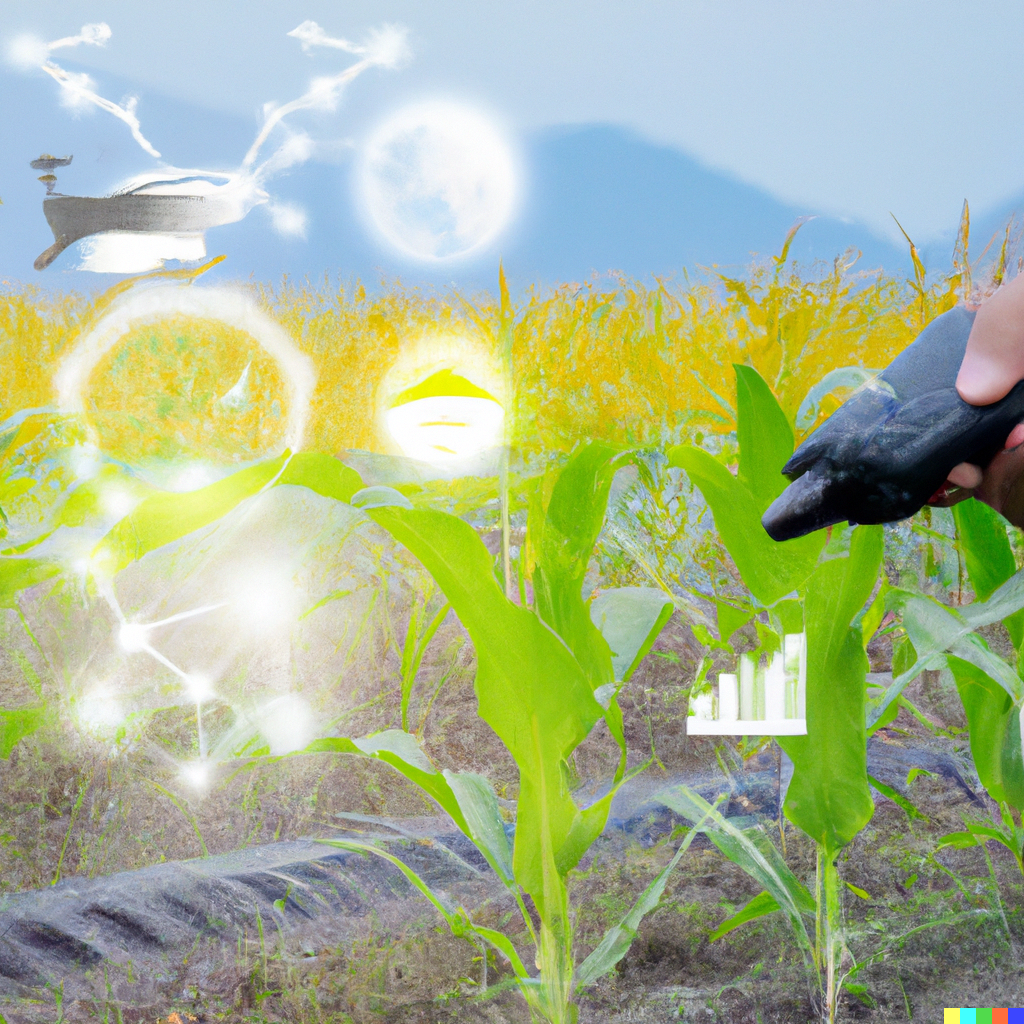
Agriculture has always been the backbone of human civilization, providing food, raw materials, and employment for billions of people worldwide. However, with the global population expected to exceed 9 billion by 2050, the demand for food is increasing rapidly. Traditional farming methods alone are no longer sufficient to meet this growing demand while addressing challenges such as climate change, water scarcity, and declining arable land. This is where Agricultural Technology (AgriTech) plays a transformative role.
AgriTech refers to the use of modern technologies, scientific innovations, and digital solutions to improve agricultural productivity, efficiency, and sustainability. From artificial intelligence and drones to smart irrigation systems and biotechnology, AgriTech is revolutionizing the way food is produced, processed, and distributed.
Agricultural Technology, commonly known as AgriTech, encompasses the application of advanced technologies to farming and agricultural practices. It integrates fields such as information technology, robotics, biotechnology, data analytics, and the Internet of Things (IoT) to optimize every stage of agricultural production.
The primary goal of AgriTech is to help farmers produce more food using fewer resources while minimizing environmental impact. It also enhances crop quality, reduces labor costs, and improves farm management through data-driven decision-making.
Precision agriculture uses GPS, sensors, drones, and satellite imagery to monitor crop health, soil conditions, and weather patterns. Farmers can apply water, fertilizers, and pesticides only where they are needed, reducing waste and increasing efficiency.
Benefits:
IoT devices collect real-time data from farms using connected sensors. These devices monitor soil moisture, temperature, humidity, livestock health, and irrigation systems.
Applications include:
AI analyzes vast amounts of agricultural data to predict weather conditions, detect plant diseases, recommend fertilizers, and optimize planting schedules.
Examples include:
Drones provide aerial surveillance of farms, capturing high-resolution images that help identify crop stress, pest infestations, irrigation issues, and nutrient deficiencies.
They are also used for:
Agricultural robots perform repetitive farming tasks with high precision.
Examples include:
Automation reduces labor shortages and increases productivity.
Biotechnology improves crops through genetic engineering and advanced breeding techniques.
Benefits include:
Smart irrigation uses weather forecasts and soil moisture sensors to provide crops with the exact amount of water needed.
Advantages include:
Modern technologies help farmers maximize crop yields through accurate monitoring and efficient resource management.
Automation and precision farming reduce unnecessary spending on fertilizers, pesticides, water, and labor.
AgriTech minimizes environmental impact by reducing chemical usage, conserving water, and improving soil health.
Real-time data enables farmers to make informed decisions regarding planting, harvesting, irrigation, and pest control.
Higher productivity helps ensure a stable food supply for the growing global population.
Advanced forecasting tools help farmers prepare for extreme weather conditions, reducing crop losses.
Despite its advantages, AgriTech faces several challenges:
Many technologies require significant capital, making adoption difficult for small-scale farmers.
Some farmers lack the technical knowledge needed to operate advanced farming technologies.
Remote agricultural areas often have poor internet infrastructure, limiting access to smart farming solutions.
Large amounts of agricultural data must be protected from cyber threats and unauthorized access.
Advanced equipment requires regular maintenance and skilled technicians.
Several countries have successfully implemented AgriTech solutions:
These examples demonstrate how technology can improve productivity while promoting sustainable agricultural practices.
The future of agriculture will be driven by continued innovation. Emerging trends include:
As technology becomes more affordable and accessible, these innovations are expected to become widespread across both developed and developing countries.
Agricultural Technology (AgriTech) is reshaping the future of farming by combining innovation with sustainability. Through technologies such as artificial intelligence, IoT, robotics, drones, biotechnology, and precision agriculture, farmers can increase productivity while conserving valuable natural resources.
Although challenges such as high costs, limited infrastructure, and digital literacy remain, ongoing technological advancements and supportive government policies are making AgriTech more accessible. As the world faces increasing food demand and environmental pressures, adopting smart agricultural technologies will be essential to ensuring global food security and building a more sustainable future.
AgriTech is not merely the future of farming—it is the foundation of a resilient, efficient, and environmentally responsible agricultural system that can feed generations to come.
SHARE THIS:
© Copyright 2026Global Tech AwardsAll Rights Reserved