
January 09 | Animation Technology
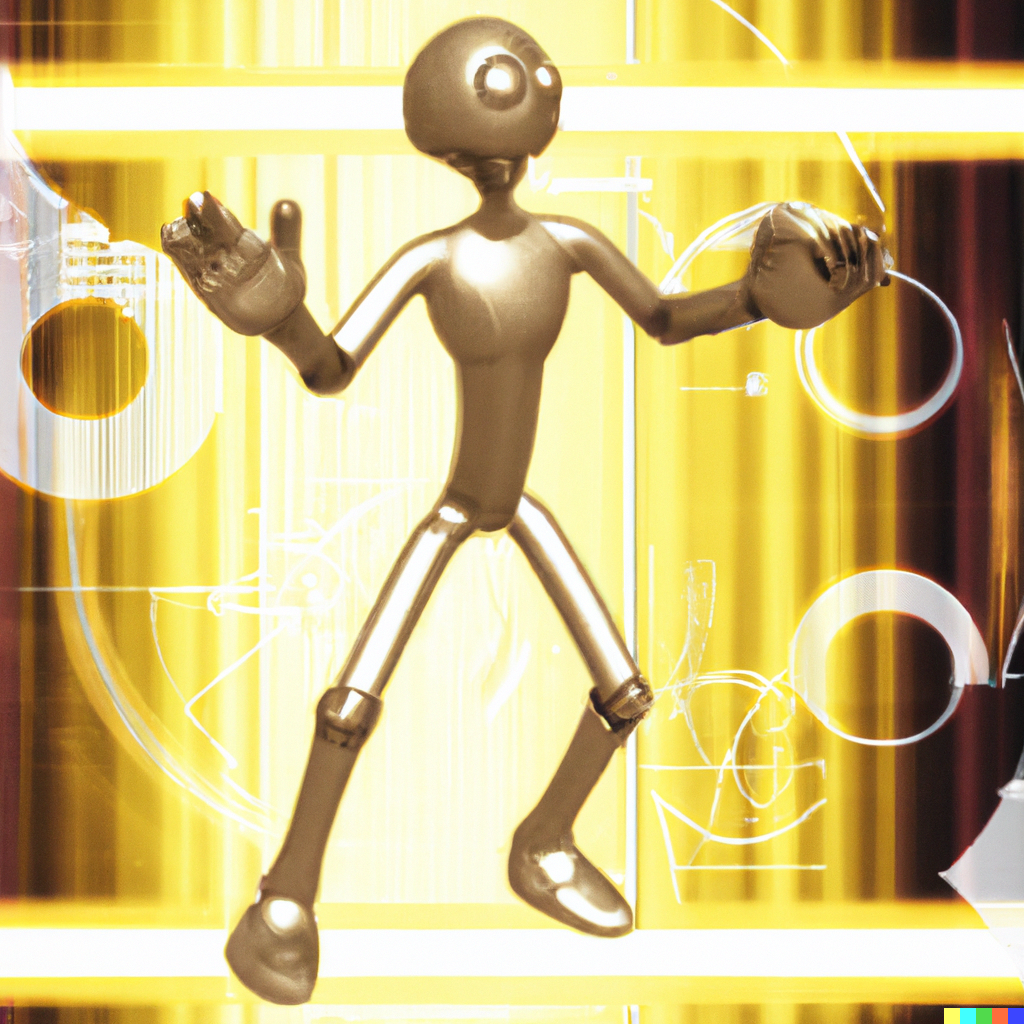
Over the past decade, animation has undergone a remarkable evolution—but nowhere is this change more exciting than in AnimeTech, the fusion of cutting-edge technology with the artistry and storytelling of anime. Once driven mainly by hand-drawn frames and traditional pipelines, modern anime now sits at the intersection of digital innovation, artificial intelligence, and creative experimentation.
Today, Animation Technology (AnimeTech) is reshaping everything from how characters are designed to how entire worlds are built, rendering times are reduced, and creative teams collaborate across continents. Here’s a deep dive into how AnimeTech is revolutionizing the animation industry.
Classic anime is famous for its expressive 2D aesthetics, but the path from paper to screen has changed dramatically.
Studios now rely on tools such as:
These platforms support vector animation, onion skinning, and automated tweening—saving hours of manual work while allowing animators to preserve the emotional nuances of traditional anime.
A growing number of studios blend 2D and 3D to achieve dynamic action sequences, fluid camera movement, and detailed environments. Shows like Attack on Titan and Demon Slayer demonstrate how hybrid pipelines can enhance realism without compromising the signature anime look.
Artificial intelligence may be the biggest game-changer in anime production.
While AI accelerates production, artists remain central to storytelling, directing, and emotional expression. In AnimeTech, AI is a tool—not a replacement—helping creators focus on what matters most: meaning, artistry, and narrative depth.
Advancements in 3D software are expanding what’s visually possible.
Real-time engines allow directors and animators to adjust lighting, camera paths, and environments instantly, slashing iteration time.
Similar to live-action film techniques used in shows like The Mandalorian, anime creators are experimenting with:
This opens the door for smoother action scenes, immersive worlds, and interactive storytelling.
Mo-cap technology has grown more accessible, making it a strong asset in AnimeTech pipelines.
Affordable tools like Rokoko and iPhone-based capture systems allow even indie creators to produce dynamic, movie-quality animation.
Modern anime is no longer limited to a single physical studio.
This decentralization is helping the anime industry meet global demand—especially as streaming platforms invest heavily in original content.
AnimeTech is also expanding beyond traditional shows into new forms of entertainment.
Using facial tracking, motion capture, and stylized avatars, VTubers blend animation and live performance. Platforms like Live2D and VRoid Studio make virtual characters more expressive than ever.
These innovations are redefining how fans engage with anime worlds.
The next decade promises even more breakthroughs:
Entire scenes generated or enhanced through procedural algorithms.
AI could one day help with storyboard generation, script adaptation, scene framing, and more—always under human creative control.
Dynamic stories or characters that adapt to viewer choices.
With powerful tools becoming cheaper and more accessible, solo creators and small studios can produce world-class animation.
AnimeTech is not just a technological evolution—it's a creative revolution. By blending traditional artistry with modern innovation, the world of animation is becoming richer, faster, more collaborative, and infinitely more imaginative.
Whether you're a studio professional, an aspiring artist, or an anime lover eager to see what comes next, one thing is clear: the future of anime is bright, bold, and powered by technology.
SHARE THIS:
© Copyright 2026Global Tech AwardsAll Rights Reserved