
July 06 | Artificial Intelligence
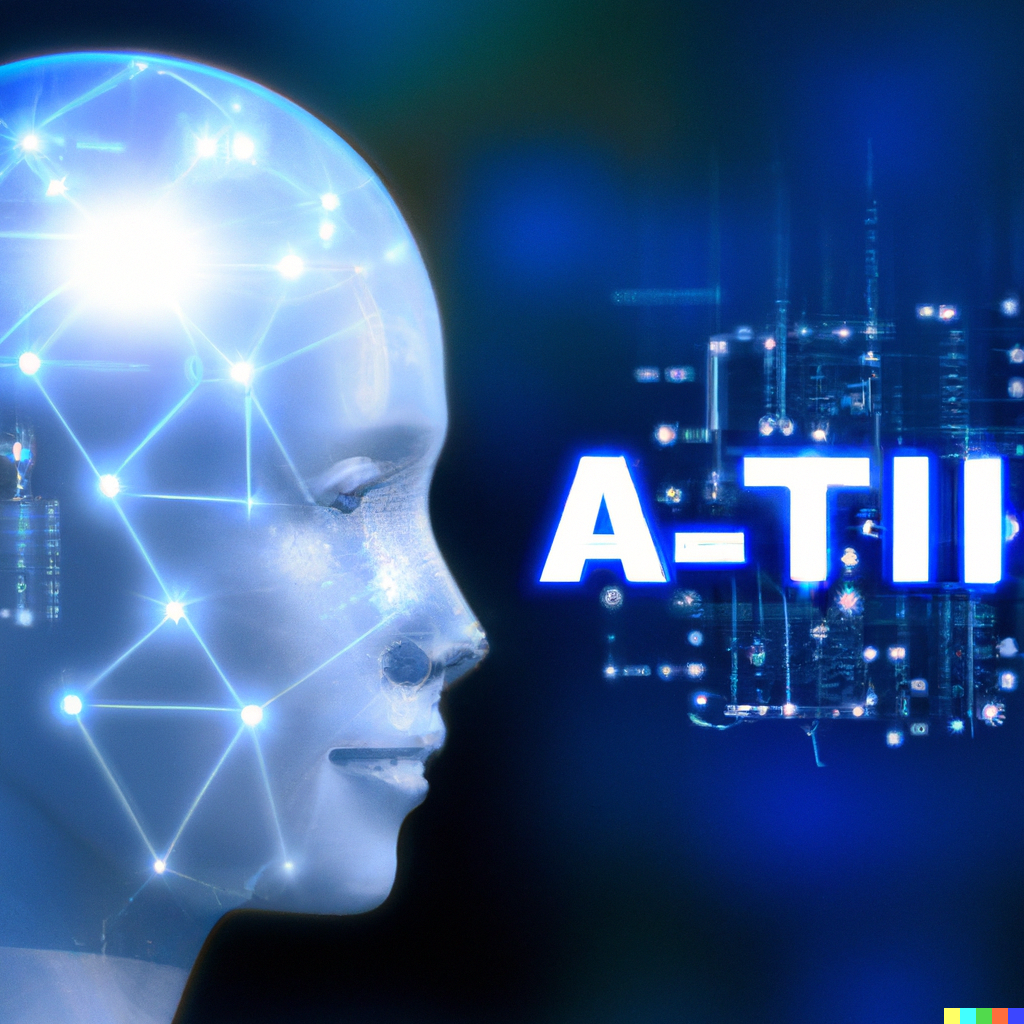
Artificial Intelligence (AI) has emerged as one of the most transformative technologies of the 21st century. From virtual assistants and personalized recommendations to self-driving cars and advanced medical diagnostics, AI is reshaping the way people live, work, and interact with the world. As businesses, governments, and individuals increasingly adopt AI-powered solutions, understanding its capabilities, benefits, challenges, and future potential has become more important than ever.
Artificial Intelligence refers to the simulation of human intelligence by machines and computer systems. AI enables computers to perform tasks that traditionally require human intelligence, such as learning from experience, recognizing patterns, understanding natural language, solving problems, making decisions, and even creating original content.
Unlike traditional software that follows predefined instructions, AI systems can analyze data, identify relationships, and improve their performance over time through learning algorithms.
AI combines several technologies and disciplines, including:
These technologies work together to create intelligent systems capable of solving increasingly complex problems.
AI is generally classified into three categories:
Narrow AI is designed to perform a specific task efficiently. Examples include voice assistants, recommendation systems, spam filters, and facial recognition software. Most AI applications available today belong to this category.
General AI refers to machines capable of performing any intellectual task that a human can accomplish. Although researchers continue to make progress, General AI remains a long-term goal rather than a current reality.
Superintelligent AI is a theoretical concept describing systems that surpass human intelligence in virtually every domain. While it presents exciting possibilities, it also raises significant ethical and safety concerns.
Artificial Intelligence is already transforming nearly every industry.
AI assists doctors by analyzing medical images, predicting diseases, accelerating drug discovery, and enabling personalized treatment plans. AI-powered chatbots also improve patient engagement and provide preliminary health guidance.
Educational platforms use AI to personalize learning experiences, automate grading, provide intelligent tutoring, and identify students who may need additional support.
Banks and financial institutions leverage AI for fraud detection, credit scoring, algorithmic trading, customer support, and risk assessment.
Smart factories employ AI to monitor equipment, predict maintenance needs, optimize production schedules, and improve quality control.
Online retailers use AI to recommend products, optimize inventory, forecast demand, personalize marketing campaigns, and improve customer service through chatbots.
AI powers autonomous vehicles, intelligent traffic management systems, route optimization, predictive maintenance, and logistics planning.
Farmers use AI to monitor crop health, predict weather patterns, detect pests, optimize irrigation, and increase agricultural productivity.
Streaming platforms recommend movies, music, and television shows based on user preferences. AI also supports content creation, video editing, and game development.
AI offers numerous advantages that improve efficiency and innovation.
Despite its enormous potential, AI presents several challenges.
Automation may replace certain routine jobs, requiring workers to develop new skills for evolving industries.
AI systems often rely on large amounts of personal data, making data privacy and protection critical concerns.
AI models can unintentionally reflect biases present in their training data, potentially leading to unfair outcomes.
Cybercriminals may misuse AI for sophisticated attacks, misinformation campaigns, and identity fraud.
Some advanced AI models function as "black boxes," making it difficult to understand how they reach specific decisions.
Determining how AI should make decisions in sensitive areas such as healthcare, criminal justice, and autonomous vehicles remains a complex challenge.
The future of AI promises groundbreaking innovations across virtually every sector. Emerging trends include:
As AI technology matures, organizations will increasingly prioritize ethical development, regulatory compliance, and human-centered design.
Professionals seeking careers in AI should consider developing skills in:
Continuous learning will be essential as AI technologies evolve rapidly.
Artificial Intelligence is no longer a futuristic concept—it is a driving force behind innovation across industries and everyday life. By automating complex tasks, uncovering valuable insights from data, and enabling intelligent decision-making, AI is transforming healthcare, education, finance, manufacturing, transportation, entertainment, and countless other fields.
However, with great technological power comes significant responsibility. Addressing challenges related to privacy, fairness, transparency, security, and workforce transformation is essential to ensuring AI benefits society as a whole.
As researchers, businesses, policymakers, and communities continue to shape the future of AI, the focus should remain on creating systems that are ethical, trustworthy, inclusive, and designed to enhance human capabilities rather than replace them. When developed responsibly, Artificial Intelligence has the potential to improve lives, drive economic growth, and help solve some of the world's most pressing challenges, making it one of the defining technologies of our time.
SHARE THIS:
© Copyright 2026Global Tech AwardsAll Rights Reserved