January 05 | Chatbots Technology
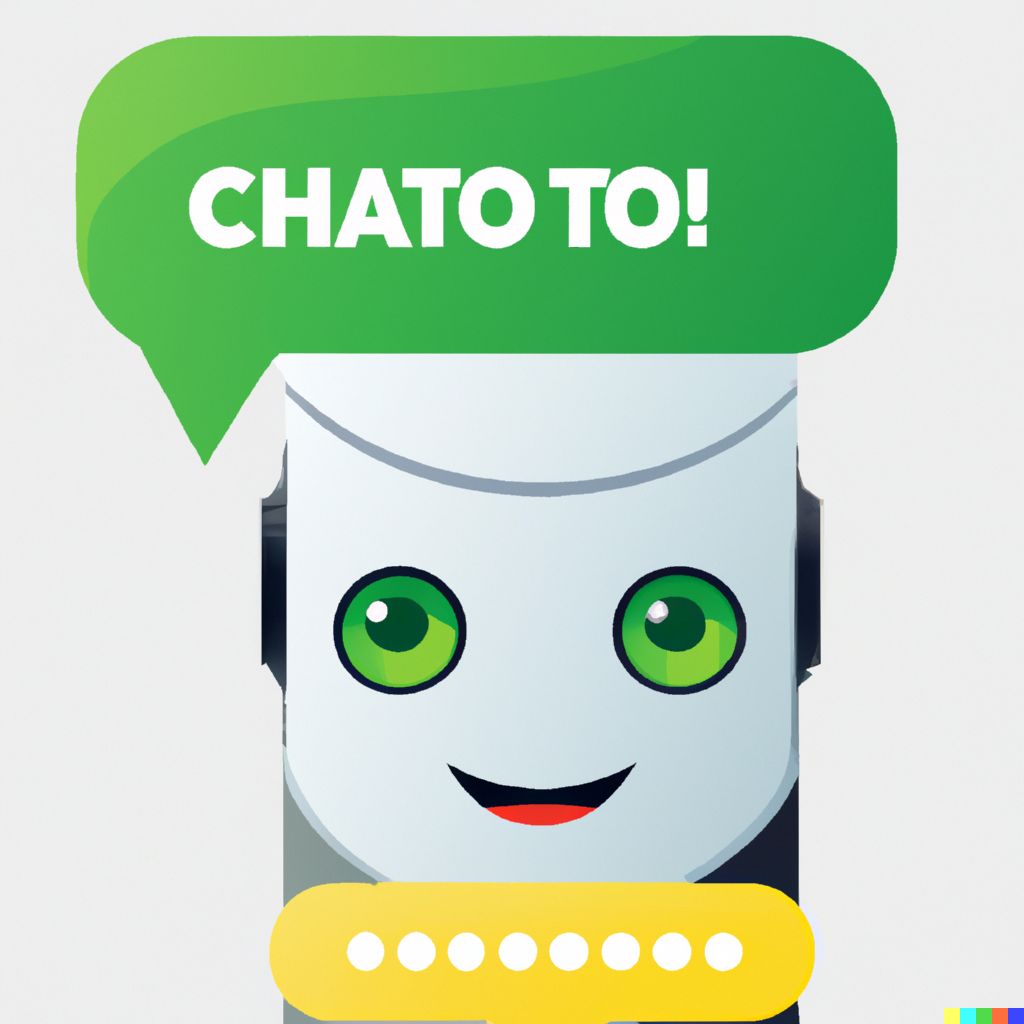
In the past decade, few technologies have reshaped digital communication as profoundly as chatbots. Originally simple rule-based tools, modern chatbots now leverage artificial intelligence, natural language processing (NLP), and machine learning to deliver highly personalized, human-like interactions. Whether you’re asking a virtual assistant for the weather, chatting with customer service on a website, or receiving voice-driven support on your smart device, chatbots are quietly powering these smooth digital experiences.
In this article, we’ll explore what chatbots are, how they work, their major types, real-world applications, benefits, limitations, and what the future holds for this rapidly evolving technology.
A chatbot is a software application designed to simulate human conversation—either through text or voice. The goal is simple: allow users to interact with technology using natural, everyday language.
Chatbots are typically integrated into:
Today’s chatbots range from basic, predefined scripts to advanced, context-aware systems capable of reasoning, summarizing, analyzing, and generating human-level dialogue.
Behind every chatbot lies a combination of several key technologies:
NLP allows chatbots to understand the meaning and intent behind user input, regardless of grammar, slang, or phrasing.
NLU breaks down user messages into structured data—intent, keywords, sentiment—so the bot knows how to respond.
This enables the bot to craft coherent, human-like replies.
Machine learning helps chatbots learn from past interactions, improve accuracy, and deliver more relevant responses over time.
Information is retrieved from databases, FAQs, or powerful AI models like GPT systems, enabling more contextual and accurate answers.
Example: “Press 1 for billing, press 2 for support.”
Example: Virtual customer support agents, AI assistants.
Blend rule-based structure with AI-powered flexibility—ideal for businesses that need predictable responses with optional intelligence.
Designed for voice interaction, such as Amazon Alexa or Google Assistant devices.
Chatbot technology is now embedded across numerous industries:
Automating FAQs, troubleshooting, order tracking, and account inquiries.
Product recommendations, personalized shopping assistance, abandoned-cart reminders, upsells.
Symptom checks, appointment booking, medication reminders.
Balance checks, fraud alerts, payment guidance, robo-advisory services.
Tutoring, language learning, assignment help, university admissions support.
Onboarding, policy explanations, internal help desks.
Booking assistance, itinerary updates, virtual concierges.
As AI capabilities expand, the range of chatbot applications continues to grow rapidly.
Chatbots never sleep—providing instant, consistent support day and night.
Automation significantly reduces labor costs and handles high-volume requests without fatigue.
Customers receive immediate answers, leading to improved satisfaction and retention.
Bots can manage thousands of conversations simultaneously—something impossible for human teams.
AI-powered bots analyze user data to deliver tailored recommendations, solutions, and messaging.
Through interactive flows, chatbots can capture leads, nurture prospects, and qualify customers.
While powerful, chatbots are not without challenges:
These limitations, however, are shrinking rapidly with the rise of generative AI models, which offer deeper understanding and contextual thinking.
Chatbots are evolving at a remarkable pace. Trends include:
Bots will understand user preferences, mood, and behavioral patterns to deliver tailored responses.
Future bots will combine text, voice, video, and images for richer interaction.
AI systems that not only chat but also take actions—booking, purchasing, analyzing, or troubleshooting autonomously.
Advances in sentiment analysis will allow chatbots to interpret tone and respond empathetically.
Internal business operations will run on powerful AI-driven agents automating complex workflows.
Chatbots are no longer a “nice-to-have”—they’re becoming the backbone of digital engagement.
Chatbot technology has come a long way—from rigid rule-based scripts to deeply intelligent, conversational AI systems. As businesses move further into digital-first operations, chatbots play an essential role in enhancing customer experience, reducing operational costs, and accelerating growth.
Whether you run a small business or a global enterprise, integrating chatbot technology is no longer optional—it’s a strategic advantage.
SHARE THIS:
© Copyright 2026Global Tech AwardsAll Rights Reserved