February 03 | Chatbots Technology
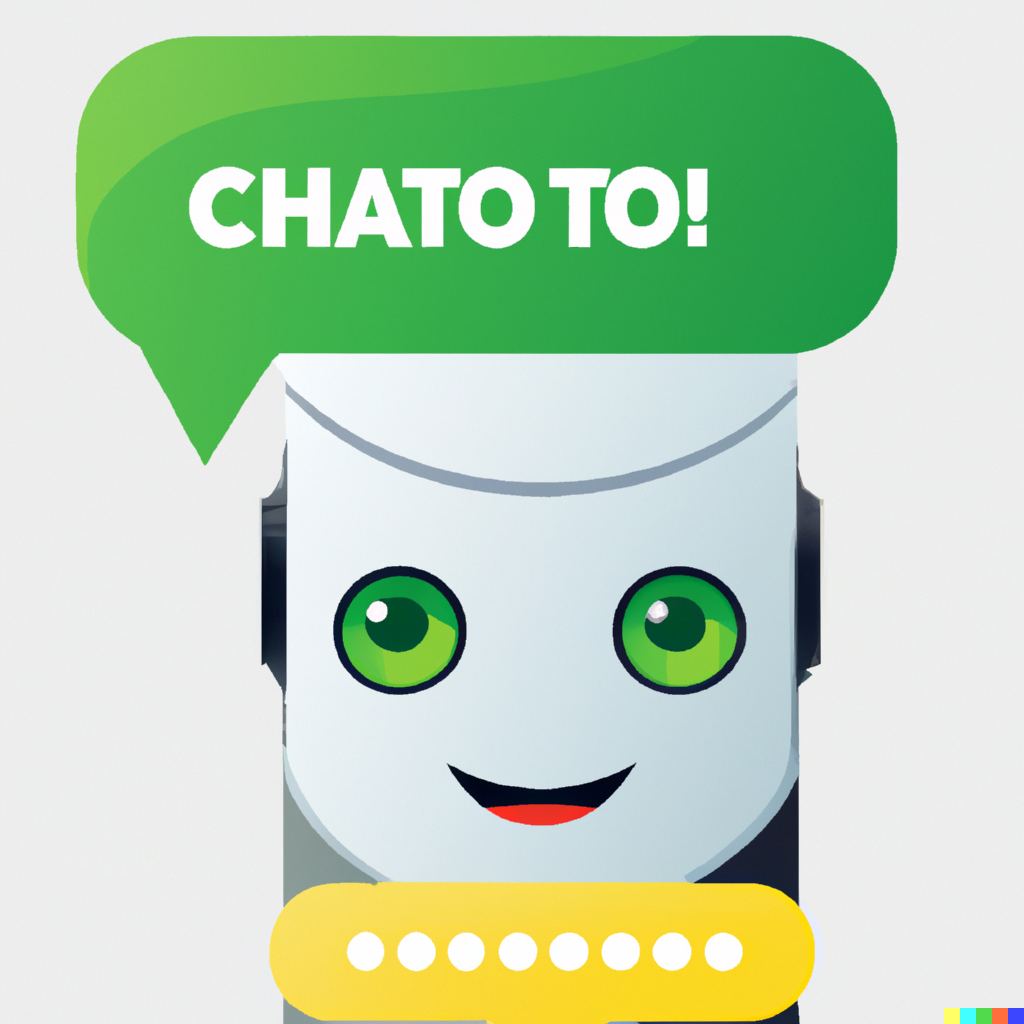
In the past decade, chatbots have evolved from simple rule-based responders into intelligent, conversational systems that power customer support, e-commerce, healthcare, finance, education, and even personal productivity. Today’s chatbots—powered by artificial intelligence (AI), natural language processing (NLP), and machine learning (ML)—are reshaping how humans interact with technology.
In this article, we’ll explore how chatbot technology works, the different types of chatbots, the benefits they bring to organizations, real-world use cases, and what the future holds for conversational AI.
A chatbot is a software application designed to simulate human conversation through text or voice interactions. Modern chatbots can understand natural language, respond intelligently, learn from data, and even handle complex tasks.
These follow predefined rules and decision trees. They’re fast and reliable for simple tasks but can’t understand complex queries.
Best for: FAQs, basic customer support, straightforward workflows.
Driven by NLP and ML, they understand context, adapt responses, and handle natural, fluid conversations.
Best for: E-commerce guidance, troubleshooting, personalized recommendations.
Powered by LLMs like GPT-5.2, these can generate new responses, write content, analyze data, and converse creatively.
Best for: Advanced support, content creation, research assistance, enterprise automation.
Used in smart assistants (Alexa, Siri, Google Assistant), they process spoken language and respond in voice.
Best for: Hands-free interactions, accessibility, home automation.
Chatbots never sleep, ensuring customers get immediate answers at any time.
They automate repetitive tasks, minimizing human workload and saving resources.
Bots respond instantly with consistent accuracy.
AI-driven bots can customize responses based on user behavior and previous interactions.
A single chatbot can handle thousands of conversations simultaneously—something human teams can’t match.
ChatBots can be used on websites, mobile apps, WhatsApp, Messenger, Slack, and even email.
Businesses use bots to resolve queries, schedule calls, and manage service tickets.
ChatBots recommend products, apply discounts, track orders, and handle returns.
Bots can conduct basic symptoms checks, remind patients of appointments, and provide medication guidance.
Banks use chatbots for balance inquiries, fraud alerts, loan assistance, and financial planning.
AI tutors help students solve problems, summarize lessons, and prepare for exams.
ChatBots assist with onboarding, internal FAQs, and employee training.
Bots can generate content, summarize documents, manage emails, and streamline workflows.
What problems should your chatbot solve?
Examples: reducing support costs, improving user engagement, automating sales.
Look for tools that support NLP, analytics, integrations, and multi-channel deployment.
Feed it domain-specific data:
Analyze conversations, identify gaps, and continuously improve.
CRM, API, analytics platforms, and automation tools help maximize performance.
While chatbot technology is powerful, businesses must consider:
Bots must adhere to global regulations like GDPR and maintain user confidentiality.
AI chatbots may generate incorrect information if not monitored.
Bots should offer an easy transition to a human agent when necessary.
Transparency helps users understand the bot’s abilities and limitations.
The next generation of chatbots will be:
With emotional intelligence and multimodal capabilities (text, voice, images, video).
Bots will manage complex workflows end-to-end, not just conversations.
They will remember preferences, past interactions, and provide tailored experiences.
Chatbots will power cars, IoT devices, VR/AR environments, and more.
As AI becomes the core of business operations, chatbots will act as intelligent front-line interfaces.
Chatbots have transitioned from novelty tools to essential components of modern digital ecosystems. Whether assisting customers, powering internal automation, or enabling personalized user experiences, chatbots are shaping the way businesses operate in 2026 and beyond.
Adopting chatbot technology is no longer optional—it’s a competitive necessity.
If you’d like help creating a chatbot strategy, building a bot, or optimizing one, feel free to ask!
SHARE THIS:
© Copyright 2026Global Tech AwardsAll Rights Reserved