
July 29 | Cyber Security CyberTech
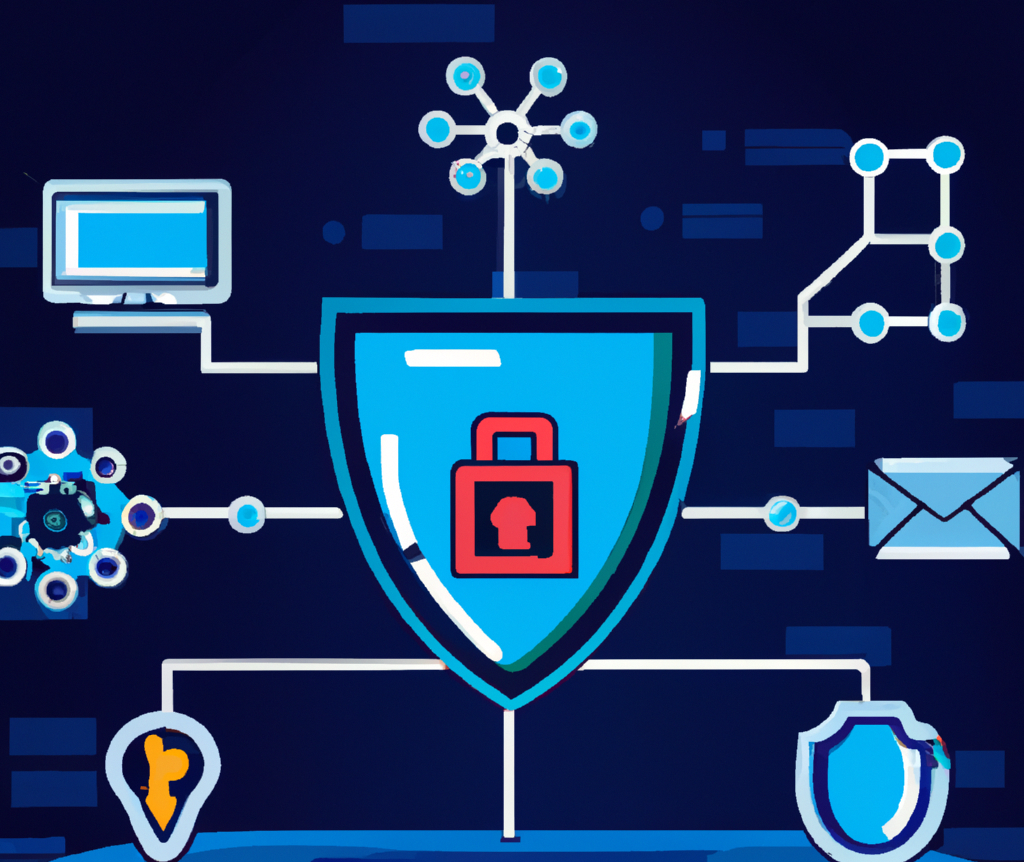
In today's interconnected world, digital transformation has revolutionized how businesses operate, communicate, and innovate. While technology has unlocked unprecedented opportunities, it has also introduced sophisticated cyber threats that target individuals, organizations, and governments alike. This growing challenge has made Cyber Security Technology (CyberTech) one of the most critical pillars of modern digital infrastructure.
CyberTech encompasses the tools, strategies, and technologies designed to protect computer systems, networks, applications, and sensitive data from cyberattacks. From artificial intelligence-driven threat detection to cloud security and zero-trust architecture, cybersecurity technology continues to evolve to counter increasingly complex threats.
Cyber Security Technology refers to the collection of hardware, software, policies, and best practices used to safeguard digital assets against unauthorized access, data breaches, malware, ransomware, phishing attacks, and other cyber threats.
Its primary objectives include:
As cybercriminals become more advanced, organizations must adopt proactive and intelligent security technologies rather than relying solely on traditional defense mechanisms.
Cyberattacks have become more frequent, costly, and sophisticated. A single breach can result in:
Organizations of every size—from startups to multinational enterprises—must invest in robust cybersecurity technologies to protect their operations and maintain customer confidence.
Artificial Intelligence (AI) and Machine Learning (ML) have transformed cybersecurity by enabling systems to detect unusual behavior, identify threats in real time, and automate responses.
Benefits include:
AI-powered security platforms can analyze millions of events every second, identifying suspicious patterns that humans may overlook.
Every connected device—including laptops, desktops, smartphones, tablets, and IoT devices—represents a potential entry point for attackers.
Endpoint security solutions provide:
Modern endpoint detection and response (EDR) solutions continuously monitor devices for suspicious activity and rapidly contain threats.
As organizations increasingly migrate applications and data to the cloud, securing cloud environments has become essential.
Cloud security technologies protect:
Security measures include identity management, encryption, workload protection, configuration monitoring, and continuous compliance assessments.
Traditional security models assumed that users inside a network could be trusted. Zero Trust eliminates this assumption.
The Zero Trust model follows the principle:
"Never trust, always verify."
Core principles include:
Zero Trust significantly reduces the risk of insider threats and compromised credentials.
Network security technologies protect data as it travels across internal and external networks.
Common technologies include:
Together, these solutions help prevent unauthorized access and detect malicious network activity.
Identity remains one of the primary targets for cybercriminals.
IAM solutions help organizations:
Strong identity management minimizes the risk of credential theft and unauthorized access.
Encryption converts readable information into unreadable code that can only be accessed with the appropriate decryption key.
Encryption protects:
Even if attackers obtain encrypted data, it remains unusable without the proper keys.
Organizations face a constantly evolving threat landscape that includes:
Attackers encrypt files and demand payment for their release.
Fraudulent emails or messages trick users into revealing passwords or sensitive information.
Malicious software designed to damage systems, steal information, or disrupt operations.
Attackers overwhelm servers with excessive traffic, making services unavailable.
Employees, contractors, or trusted users intentionally or unintentionally compromise security.
Hackers target third-party vendors to gain access to larger organizations.
The cybersecurity landscape continues to evolve rapidly. Key trends include:
These innovations help organizations stay ahead of increasingly sophisticated cyber threats.
Technology alone cannot eliminate cyber risk. Organizations should combine advanced tools with sound security practices, including:
As digital ecosystems expand and cyber threats become more sophisticated, CyberTech will continue to play a central role in protecting businesses, governments, and individuals. Artificial intelligence, automation, and predictive analytics will enable faster threat detection and response, while emerging technologies such as quantum computing will reshape encryption and security strategies.
Organizations that prioritize cybersecurity as a strategic investment—not just an IT function—will be better positioned to innovate securely, build customer trust, and maintain resilience in an increasingly connected world.
Cyber Security Technology is no longer optional—it is a business imperative. From safeguarding sensitive data and ensuring regulatory compliance to defending against ransomware and advanced persistent threats, CyberTech provides the foundation for secure digital operations.
By embracing modern cybersecurity technologies, adopting proactive security strategies, and fostering a culture of cyber awareness, organizations can strengthen their defenses against today's evolving threat landscape. Investing in cybersecurity today is an investment in the resilience, reputation, and long-term success of tomorrow.
SHARE THIS:
© Copyright 2026Global Tech AwardsAll Rights Reserved