
June 04 | Cyber Security CyberTech
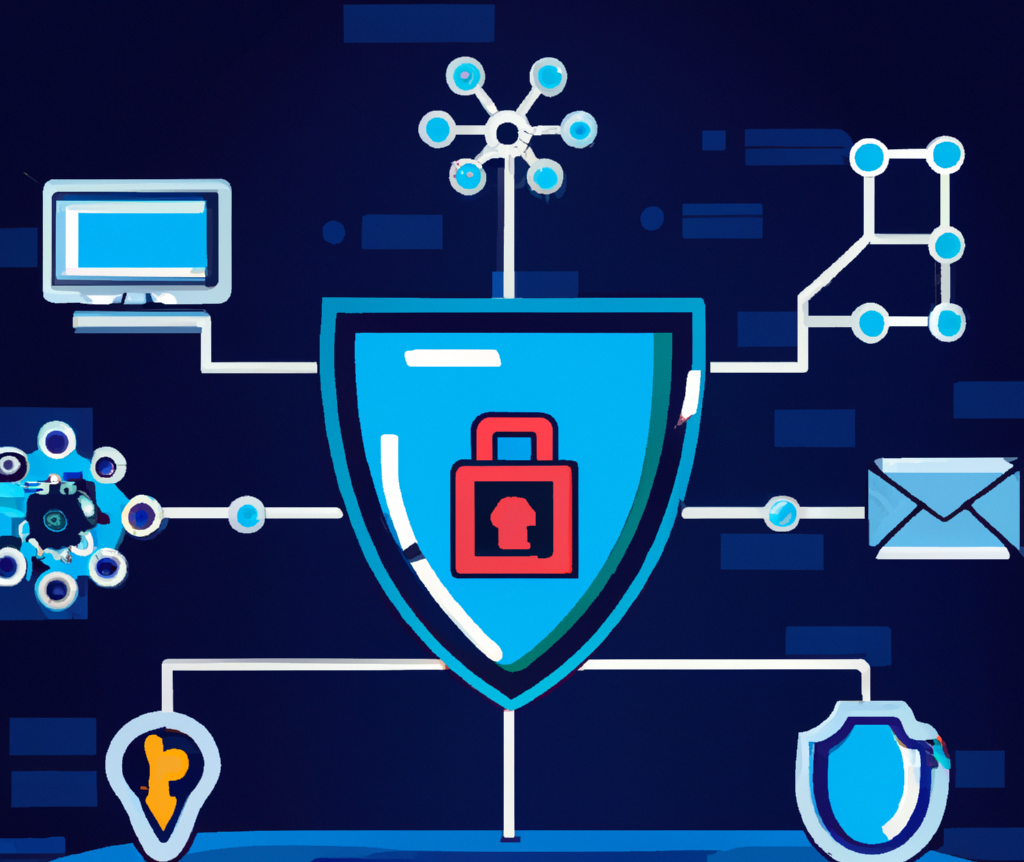
In today's hyperconnected world, digital technologies drive nearly every aspect of business, government operations, and daily life. As organizations increasingly rely on cloud computing, artificial intelligence, IoT devices, and digital communication platforms, cyber threats continue to evolve in both sophistication and scale. This growing digital dependency has made Cyber Security Technology—commonly known as CyberTech—a critical component of modern infrastructure.
CyberTech encompasses the tools, systems, strategies, and innovations designed to protect networks, devices, applications, and data from unauthorized access, cyberattacks, and digital threats. From defending against ransomware attacks to securing sensitive customer information, cybersecurity technology plays a vital role in maintaining trust, privacy, and operational continuity.
Cyber Security Technology refers to the collection of technologies, processes, and practices used to safeguard digital assets and information systems from cyber threats. Its primary objective is to ensure the confidentiality, integrity, and availability (CIA) of data and systems.
CyberTech solutions help organizations detect, prevent, respond to, and recover from various cyber incidents, including:
As cybercriminals adopt increasingly sophisticated techniques, cybersecurity technologies continue to evolve to counter emerging risks.
Network security focuses on protecting communication channels and network infrastructure from unauthorized access and malicious activities. Common technologies include:
These solutions monitor and control traffic while preventing unauthorized users from accessing critical systems.
With employees accessing corporate resources from multiple devices, endpoint security has become essential. Endpoint protection solutions secure devices such as:
Modern endpoint security platforms use advanced threat detection, behavioral analysis, and automated response mechanisms to identify and mitigate risks.
As businesses migrate to cloud environments, cloud security technologies protect data, applications, and infrastructure hosted on cloud platforms.
Key cloud security measures include:
These technologies help organizations maintain security and compliance across public, private, and hybrid cloud environments.
Applications often serve as entry points for cyberattacks. Application security technologies focus on identifying and eliminating vulnerabilities throughout the software development lifecycle.
Common tools include:
Implementing secure development practices significantly reduces the risk of exploitation.
IAM technologies ensure that only authorized individuals can access specific resources.
Key IAM solutions include:
Effective IAM strategies reduce the likelihood of credential-based attacks and unauthorized access.
AI and Machine Learning are transforming cybersecurity by enabling systems to analyze vast amounts of data, identify anomalies, and respond to threats in real time.
Benefits include:
Organizations increasingly rely on AI-powered security solutions to strengthen their defensive capabilities.
The Zero Trust model operates on the principle of "Never Trust, Always Verify." Rather than automatically trusting users or devices within a network, Zero Trust continuously validates identities and access requests.
Core principles include:
This approach significantly reduces attack surfaces and limits lateral movement by attackers.
XDR integrates security data from endpoints, networks, cloud environments, and applications into a unified platform. This enables security teams to gain comprehensive visibility and respond more effectively to threats.
Advantages include:
Automation technologies help organizations streamline repetitive security tasks and improve operational efficiency.
Examples include:
Automation allows security teams to focus on strategic initiatives rather than routine monitoring activities.
CyberTech has become indispensable for organizations across all industries. Effective cybersecurity technology delivers numerous benefits, including:
Organizations handle vast amounts of confidential information, including customer records, financial data, and intellectual property. CyberTech solutions help prevent unauthorized access and data breaches.
Cyberattacks can disrupt operations, resulting in downtime and financial losses. Robust cybersecurity measures ensure organizations can maintain critical services and recover quickly from incidents.
Many industries must comply with cybersecurity regulations and standards such as:
CyberTech solutions assist organizations in meeting compliance requirements and avoiding costly penalties.
A single data breach can significantly damage customer trust and brand reputation. Strong cybersecurity practices demonstrate a commitment to protecting stakeholder information.
Despite significant advancements, cybersecurity professionals continue to face numerous challenges:
Cybercriminals are leveraging AI, automation, and advanced attack techniques to bypass traditional defenses.
The global cybersecurity workforce gap continues to grow, creating difficulties for organizations seeking qualified security professionals.
Remote work, cloud adoption, IoT devices, and digital transformation initiatives have expanded the number of potential entry points for attackers.
Many organizations struggle to balance security investments with operational priorities, making effective resource allocation essential.
The future of cybersecurity technology will be shaped by innovation, collaboration, and proactive defense strategies. Technologies such as quantum-resistant cryptography, autonomous security systems, advanced threat intelligence, and AI-driven security operations are expected to redefine the cybersecurity landscape.
Organizations that invest in modern CyberTech solutions and adopt a security-first mindset will be better positioned to navigate emerging threats and maintain resilience in an increasingly digital world.
SHARE THIS:
© Copyright 2026Global Tech AwardsAll Rights Reserved