
June 25 | Engineering Technology
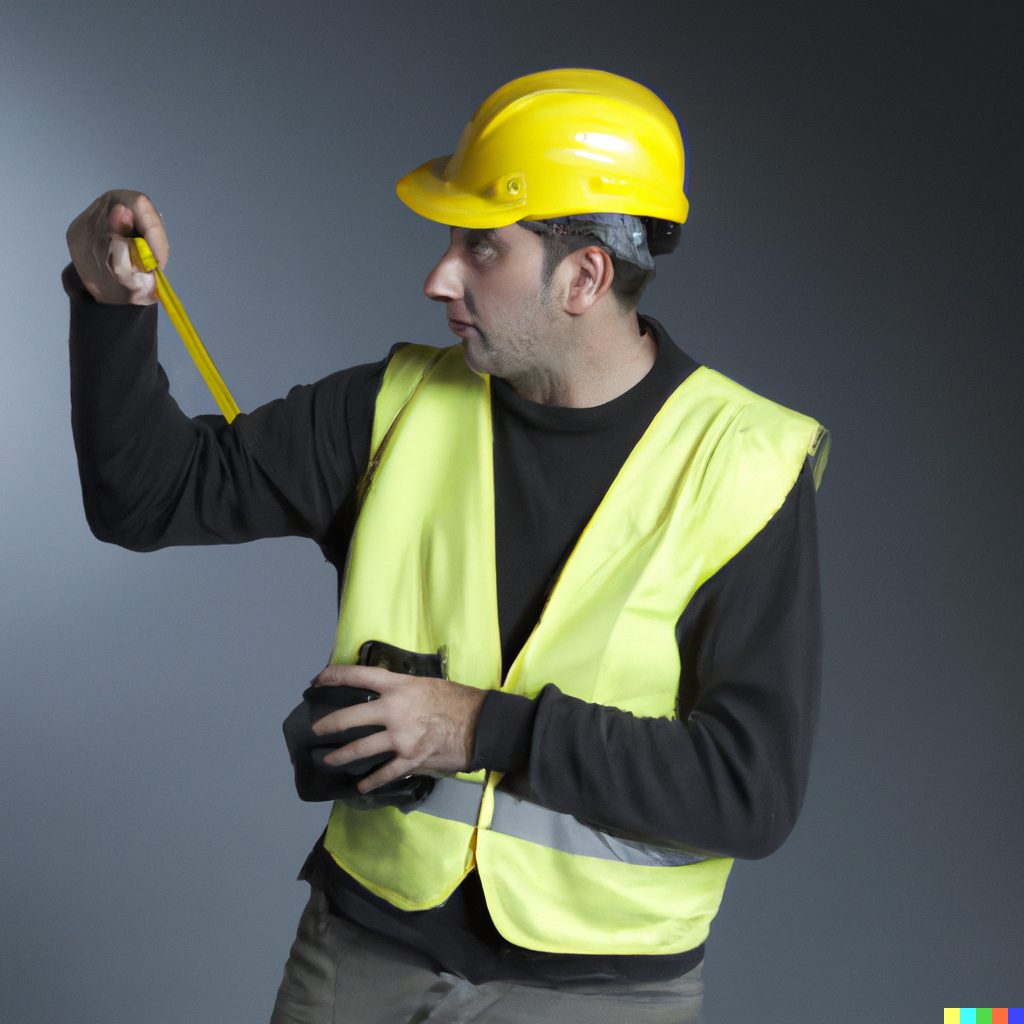
In today’s fast-moving industrial and digital landscape, innovation depends not only on groundbreaking ideas but also on the ability to turn those ideas into practical, working systems. That is where Engineering Technology (EngTech) plays a critical role. While traditional engineering often focuses on theory, design principles, and advanced mathematics, Engineering Technology is centered on application, implementation, testing, operation, and improvement of engineering systems in real-world environments.
Engineering Technology professionals bridge the gap between conceptual engineering design and practical industrial execution. They work with systems, machines, software, manufacturing processes, automation platforms, electrical equipment, and emerging technologies to ensure that engineering solutions are not only designed well, but also built, operated, maintained, and optimized effectively.
As industries evolve through digital transformation, automation, renewable energy, smart manufacturing, and data-driven decision-making, the importance of Engineering Technology continues to grow. This article explores what Engineering Technology is, how it differs from traditional engineering, its major disciplines, career opportunities, industry relevance, and why it matters in the future of innovation.
Engineering Technology is a branch of applied science and engineering focused on the practical application of engineering principles and modern technology. It emphasizes how systems are implemented, how equipment performs in real environments, how production processes are optimized, and how technical problems are solved efficiently.
At its core, Engineering Technology is about making engineering work in practice.
Professionals in this field often take engineering concepts and convert them into actionable solutions by:
Unlike purely theoretical engineering paths, Engineering Technology education and careers tend to be hands-on, systems-oriented, and application-focused. Students and professionals learn not only why systems work, but also how to build, deploy, maintain, and improve them in business, industrial, and public-sector settings.
One of the most common questions is whether Engineering Technology is the same as engineering. The short answer is no—but they are closely related and highly complementary.
Traditional engineering programs generally emphasize:
Engineers often work on creating original designs, conducting research, performing analytical modeling, and solving complex theoretical design problems.
Engineering Technology programs generally emphasize:
Engineering technologists and technicians often work closer to production, deployment, operations, and system optimization, ensuring that engineered systems perform effectively in real conditions.
Imagine a company building a robotic packaging line:
In modern organizations, both roles are essential. Innovation fails if great designs cannot be implemented effectively—and implementation struggles without solid engineering design.
Engineering Technology is not a single discipline. It includes multiple specializations that support modern industry, infrastructure, and digital systems. Some of the major areas include:
Mechanical Engineering Technology focuses on the application of mechanical systems, manufacturing equipment, thermodynamics, materials, and machine design principles. Professionals in this area often work with:
Mechanical engineering technologists are commonly found in manufacturing plants, automotive facilities, aerospace operations, construction environments, and product development teams.
Electrical and Electronics Engineering Technology deals with electrical circuits, control systems, instrumentation, power systems, electronics, and industrial automation. Professionals may work on:
This field is especially important in industries such as energy, telecommunications, manufacturing, robotics, and building automation.
Civil Engineering Technology focuses on the practical implementation of infrastructure systems and construction projects. This includes:
Civil engineering technologists often contribute to roads, bridges, drainage systems, utilities, public works, and building projects by supporting design execution, field inspections, and construction quality assurance.
Industrial Engineering Technology is centered on improving productivity, efficiency, quality, and workflow in production and service environments. Common focus areas include:
Professionals in this discipline help organizations reduce waste, improve output, lower operational costs, and build more efficient production systems.
Manufacturing Engineering Technology deals with the systems, machines, and processes used to make products at scale. It includes:
As smart factories and Industry 4.0 technologies become more common, manufacturing engineering technologists are increasingly involved in digital manufacturing, sensor-based monitoring, robotics, and predictive maintenance systems.
This area combines computing, networking, embedded systems, and practical digital system deployment. It often covers:
This specialization is especially relevant in an era where physical systems—from factories to vehicles to homes—are becoming increasingly connected and data-driven.
Engineering Technology education and practice build a distinct combination of technical and professional skills. These include:
These skills make Engineering Technology professionals especially valuable in environments where systems must be implemented, supported, maintained, and improved quickly and reliably.
Engineering Technology is becoming increasingly important because modern industry depends on more than design—it depends on execution. Organizations need professionals who understand how to work across the full lifecycle of a system, from installation and testing to optimization and maintenance.
A design on paper or in software is only the first step. Products and systems must be manufactured, tested, integrated, monitored, and improved. Engineering Technology ensures that the transition from concept to operation is successful.
Factories, logistics centers, and infrastructure systems now rely on robotics, sensors, programmable controls, machine data, and industrial software. Engineering Technology professionals help deploy and sustain these systems.
When equipment fails, production slows, or quality drops, businesses need people who can diagnose issues, correct them, and prevent them from recurring. Engineering Technology plays a central role in reliability and operational excellence.
Through process improvement, quality control, maintenance planning, and system optimization, Engineering Technology contributes directly to productivity and profitability.
Whether an organization is implementing renewable energy systems, digital twins, industrial IoT, AI-assisted manufacturing, or advanced robotics, Engineering Technology professionals often help bring those technologies into daily operations.
Engineering Technology opens doors to a wide range of technical and managerial career paths. Job titles vary by industry and specialization, but common roles include:
These roles exist in sectors such as:
For many organizations, Engineering Technology professionals are essential because they combine technical understanding with practical execution—an especially valuable mix in production-driven and operations-heavy environments.
The rise of Industry 4.0 has expanded the scope and value of Engineering Technology. Smart manufacturing and connected industrial systems are reshaping how factories, utilities, transportation networks, and infrastructure operate.
Engineering Technology professionals are often at the center of these changes because they understand how to connect the physical and digital sides of a system. They work where software meets machinery, where design meets implementation, and where data becomes operational improvement.
For example, in a smart factory, an engineering technologist may help:
This makes Engineering Technology one of the most future-relevant applied technical fields in the modern workforce.
Engineering Technology programs are often offered at the associate’s and bachelor’s degree levels, with some institutions also providing master’s pathways in applied engineering or technology management. Coursework usually combines classroom instruction with laboratory work and practical projects.
Common subjects include:
A defining feature of Engineering Technology education is its emphasis on labs, equipment, applied problem-solving, and real-world systems. Students often gain experience with the tools and technologies they are likely to encounter in industry, making them workforce-ready more quickly in many practical roles.
Like any technical discipline, Engineering Technology comes with challenges. Professionals in this field often work in environments that demand precision, adaptability, and continuous learning.
However, these challenges are also what make the field dynamic and rewarding. Engineering Technology professionals often see the direct impact of their work in functioning equipment, improved processes, higher-quality output, and safer, more efficient operations.
The future of Engineering Technology is strong because the world needs more professionals who can translate innovation into execution. As organizations continue to modernize, the need for applied technical expertise will only grow.
Future demand is likely to increase in areas such as:
Engineering Technology will remain critical because every new technology eventually has to be installed, operated, tested, maintained, scaled, and improved in the real world.
SHARE THIS:
© Copyright 2026Global Tech AwardsAll Rights Reserved