
July 07 | FitTech Fitness Technology
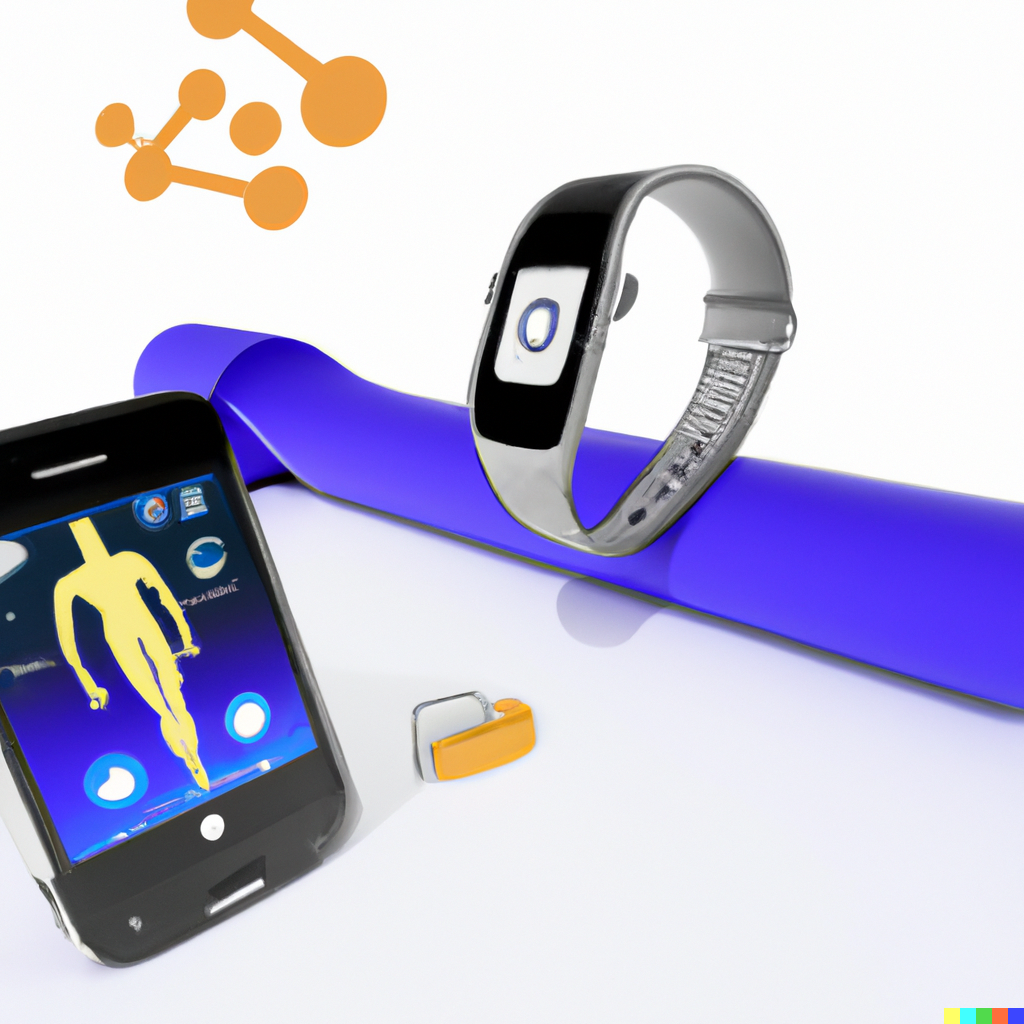
The fitness industry has experienced a remarkable transformation over the past decade, driven by rapid technological innovation. What once relied solely on gym memberships and personal trainers has evolved into an interconnected ecosystem of wearable devices, AI-powered coaching, smart gym equipment, mobile applications, and virtual fitness experiences. Collectively known as Fitness Technology (FitTech), these innovations are changing how people exercise, monitor their health, and achieve their wellness goals.
From tracking heart rate during workouts to receiving personalized training plans based on recovery data, FitTech is making fitness more accessible, data-driven, and engaging than ever before. Wearable technology, mobile fitness apps, and data-driven training consistently rank among the leading global fitness trends, highlighting the growing demand for technology-enhanced health experiences.
Fitness Technology, commonly referred to as FitTech, encompasses digital tools, software, hardware, and connected devices designed to improve physical fitness, health monitoring, exercise performance, and overall wellness.
FitTech combines several disciplines, including:
These technologies work together to collect, analyze, and interpret health data, providing users with personalized insights and recommendations.
Fitness technology has evolved significantly over the years.
The first generation of fitness devices focused on basic metrics such as:
Simple pedometers were the pioneers of digital fitness tracking.
The introduction of smartwatches and fitness bands transformed the industry by enabling users to monitor:
Today's FitTech solutions use artificial intelligence to:
Modern fitness platforms increasingly integrate wearable data with AI to deliver highly individualized coaching experiences.
Wearables remain the foundation of modern fitness technology.
Popular examples include:
These devices track:
Continuous health monitoring helps users make informed lifestyle decisions.
Mobile apps have become personal fitness companions.
Common features include:
Many apps synchronize with wearable devices to create a complete health dashboard.
Connected gym equipment provides real-time feedback during workouts.
Examples include:
Features often include:
AI is becoming the brain behind modern fitness.
Applications include:
AI continuously learns from user behavior, making recommendations more accurate over time.
VR fitness transforms workouts into immersive experiences.
Users can:
Gamification increases motivation while making exercise more enjoyable.
No two bodies are the same.
FitTech uses individual data to create customized workout plans based on:
Gamification features such as:
encourage users to stay consistent.
Instant performance metrics help users:
Modern FitTech extends beyond exercise.
Many devices monitor:
This supports a more holistic approach to wellness.
Technology makes professional-quality fitness guidance available anywhere.
Users can exercise:
without sacrificing coaching quality.
The future of fitness technology is evolving rapidly.
AI coaches are becoming increasingly sophisticated.
They analyze:
to automatically modify training plans.
Multiple devices now communicate seamlessly.
For example:
A smartwatch can synchronize with:
creating one comprehensive health profile.
Recovery has become a major focus.
Emerging tools monitor:
to help users balance performance with rest.
Fitness professionals increasingly rely on analytics rather than intuition alone.
Data helps optimize:
Many employers now incorporate FitTech into workplace wellness programs, encouraging healthier lifestyles and supporting employee well-being.
Despite its many advantages, Fitness Technology has limitations.
Large amounts of personal health data require strong cybersecurity and transparent data practices.
Consumer devices may produce measurement errors depending on sensor quality and usage conditions.
Users should avoid becoming overly reliant on metrics while ignoring how their bodies feel.
Premium wearables and connected fitness equipment can be expensive, limiting access for some users.
The next decade promises even greater innovation.
Future developments may include:
Researchers are also exploring privacy-preserving technologies, such as federated learning, to improve wearable-based fitness tracking without centralizing sensitive personal data.
As artificial intelligence becomes more sophisticated, fitness will become increasingly personalized, predictive, and preventive.
SHARE THIS:
© Copyright 2026Global Tech AwardsAll Rights Reserved