October 01 | Internet of Things IOT
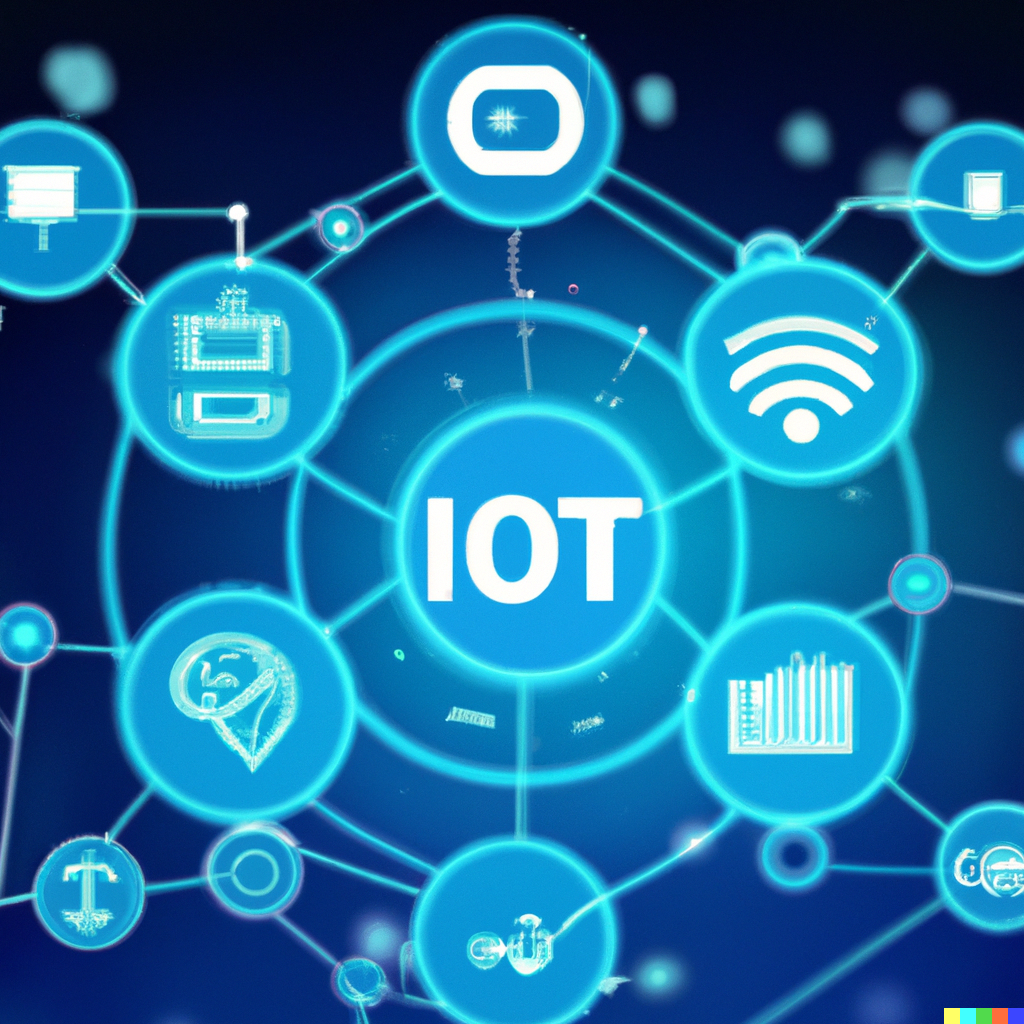
The way we interact with technology has changed dramatically over the past few decades. Computers became smaller, smartphones became more powerful, and cloud computing transformed how we store and access information. The next major transformation is happening all around us through the Internet of Things (IoT).
From smart thermostats that automatically adjust room temperatures to industrial machines that predict their own maintenance needs, IoT is connecting physical objects to digital networks and allowing them to collect, exchange, and act on data.
IoT is no longer limited to futuristic concepts. It is already being used in homes, hospitals, factories, farms, transportation systems, retail stores, and cities around the world.
This article explores what IoT is, how it works, its major applications, benefits and challenges, and what the future may hold for connected devices.
The Internet of Things (IoT) refers to a network of physical objects—often called "things"—that contain sensors, software, processing capabilities, and network connectivity.
These devices can collect information from their surroundings, communicate with other devices or systems, and sometimes make decisions or perform actions automatically.
An IoT device could be something as simple as a smart light bulb or as complex as a connected industrial robot.
Examples include:
The basic idea is simple: connect physical objects to digital systems so that data can be collected, analyzed, and used to improve decisions or automate tasks.
An IoT system typically involves several components working together.
The first part of an IoT system is the physical device.
Sensors collect information from the environment. Depending on the application, a sensor might measure:
For example, a smart thermostat can use temperature sensors to determine the current temperature inside a building.
After collecting data, an IoT device needs a way to communicate that information.
Different communication technologies can be used, including:
The appropriate technology depends on factors such as range, bandwidth, power consumption, cost, and the environment in which the device operates.
The collected information needs to be processed.
Sometimes processing happens directly on the device. This is known as edge computing.
In other cases, data is sent to a gateway, local server, or cloud platform where more powerful systems analyze it.
For example, a connected factory machine might continuously measure vibration. Instead of sending every measurement to a distant server, an edge device could analyze the data locally and immediately identify an abnormal vibration pattern.
Cloud platforms provide computing power and storage for IoT systems.
They can collect data from thousands or even millions of connected devices and provide tools for:
Cloud computing has played a major role in making large-scale IoT deployments practical.
The final component is the software that allows people or other systems to use the information.
For example, a smart-home application might show:
"Living room temperature: 72°F"
It could then allow a user to change the thermostat remotely.
In an industrial environment, a dashboard might display machine health, production levels, energy consumption, and maintenance alerts.
Consider a smart irrigation system.
Traditional irrigation systems may operate according to a fixed schedule. An IoT-based system can be much more responsive.
Soil moisture sensors measure the amount of water in the soil. The sensors send information to a controller. The controller analyzes the readings and determines whether watering is necessary.
If the soil is already sufficiently wet, the system can delay irrigation.
If the soil is too dry, the system can activate the sprinklers.
A more advanced system could also incorporate weather forecasts and automatically adjust watering schedules.
This example demonstrates the basic IoT cycle:
Sense → Connect → Analyze → Decide → Act
IoT has applications across almost every major industry.
Smart homes are one of the most visible examples of IoT.
Connected devices can include:
These devices can communicate with one another and be controlled through smartphones or voice assistants.
For example, a homeowner might configure a system so that lights automatically turn off when everyone leaves the house.
IoT can also improve energy efficiency by adjusting heating, cooling, and lighting according to occupancy and environmental conditions.
IoT is transforming healthcare through connected medical devices and remote monitoring.
Wearable and connected devices can collect information such as:
Healthcare professionals can use connected systems to monitor certain patients remotely and identify changes that may require attention.
IoT can also be used inside hospitals to track equipment, monitor environmental conditions, and improve operational efficiency.
However, healthcare IoT requires particularly strong security and privacy protections because medical information is highly sensitive.
Manufacturing is one of the most important areas for industrial IoT, often called IIoT (Industrial Internet of Things).
Factories can install sensors on machines to monitor:
This data can help organizations identify potential equipment problems before failures occur.
This approach is known as predictive maintenance.
Instead of waiting for a machine to break, companies can analyze sensor data to identify warning signs and schedule maintenance when necessary.
The result can be less downtime, improved maintenance planning, and more efficient operations.
IoT is also changing modern agriculture.
Connected agricultural systems can monitor:
Farmers can use this information to make more informed decisions about irrigation, fertilization, pest management, and equipment use.
This approach is sometimes called precision agriculture.
By applying resources where and when they are needed, IoT technologies can help improve agricultural efficiency.
Vehicles are becoming increasingly connected.
Modern connected vehicles can collect and transmit information about:
Fleet operators can use IoT systems to track vehicles and optimize routes.
Connected transportation infrastructure can also provide information about traffic, parking, road conditions, and public transportation.
IoT technologies can help cities monitor and manage infrastructure.
Potential applications include:
For example, connected streetlights could adjust their operation based on environmental conditions or activity levels.
Similarly, waste containers equipped with sensors could notify collection services when they are approaching capacity.
The rapid adoption of IoT is driven by several potential benefits.
IoT can automate repetitive processes and provide real-time information.
Businesses can use connected systems to identify inefficiencies and optimize operations.
IoT allows devices to respond automatically to changing conditions.
For example, a connected heating system can adjust itself based on temperature readings rather than requiring constant manual control.
IoT generates large quantities of real-world data.
When that information is analyzed properly, organizations can gain insights into customer behavior, equipment performance, resource consumption, and operational processes.
Connected sensors can help identify abnormal conditions before equipment fails.
This can allow maintenance teams to intervene earlier instead of responding to unexpected breakdowns.
IoT can help organizations monitor and manage resources such as:
Better visibility can lead to more efficient resource usage.
Connected products can provide personalized services and real-time information.
For example, a connected vehicle can notify its owner about maintenance requirements, while a smart appliance can provide information about its operating status.
Despite its advantages, IoT introduces significant challenges.
Every connected device can potentially become a target for cyberattacks.
Poorly secured devices can create vulnerabilities that attackers may exploit.
Common security concerns include:
Security therefore needs to be considered throughout the entire lifecycle of an IoT device.
Many IoT devices collect information about people's activities and environments.
For example, smart cameras, wearable devices, connected vehicles, and home sensors can generate highly detailed information.
Organizations need to carefully consider what data they collect, why they collect it, how long they retain it, and who can access it.
A large IoT deployment can generate enormous amounts of data.
Organizations need systems capable of storing, processing, analyzing, and securing that information.
Simply collecting data is not enough. The data needs to be transformed into useful insights.
IoT ecosystems can contain devices from many different manufacturers.
If devices use incompatible technologies or communication standards, integrating them can become difficult.
Standards and interoperability are therefore important for building reliable IoT ecosystems.
Deploying IoT at scale can require significant investment.
Costs may include:
Organizations must evaluate whether the expected benefits justify the investment.
IoT becomes even more powerful when combined with artificial intelligence (AI) and machine learning.
IoT devices generate large quantities of real-world data. AI systems can analyze that data to identify patterns and make predictions.
For example, an industrial system might monitor a machine's vibration, temperature, and operating speed.
SHARE THIS:
© Copyright 2026Global Tech AwardsAll Rights Reserved