
March 23 | Machine Learning ML
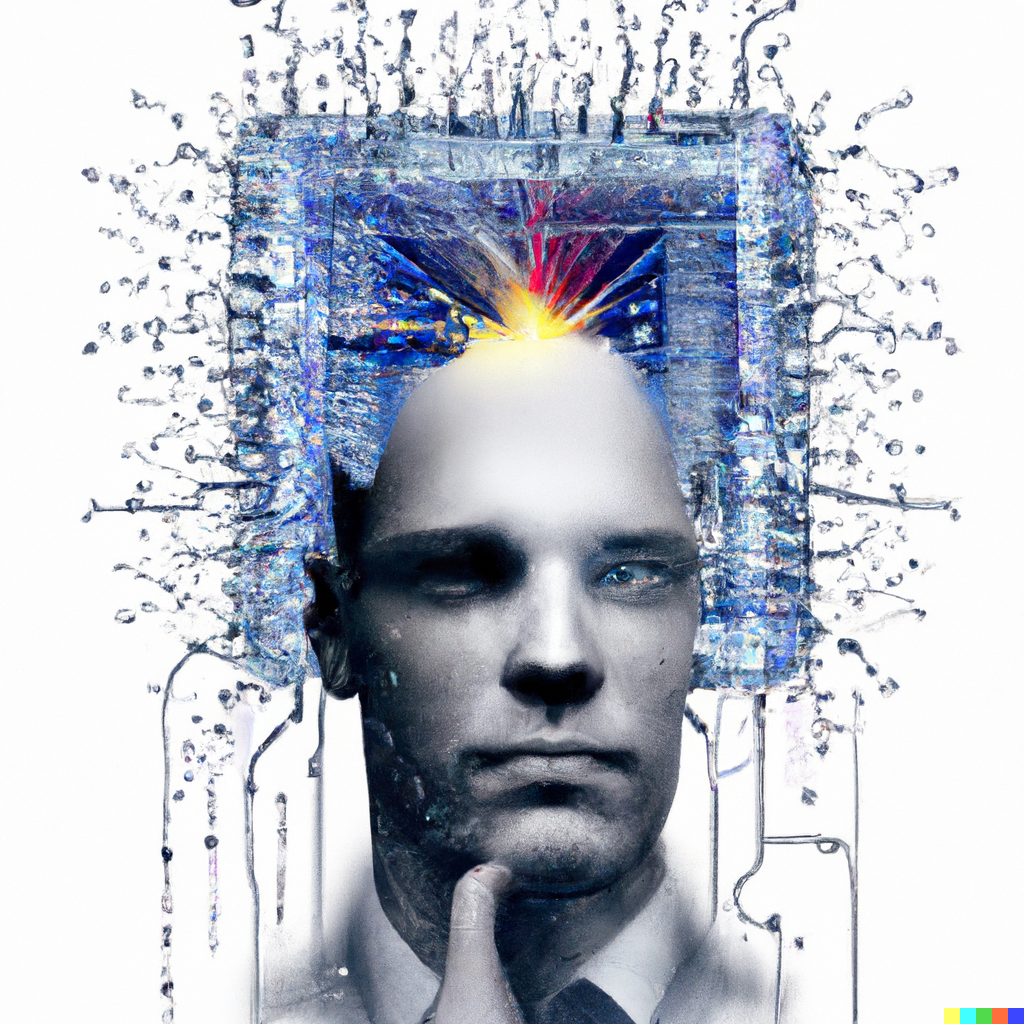
In recent years, Machine Learning (ML) has evolved from an academic concept into a transformative force shaping industries, economies, and everyday life. From personalized recommendations on streaming platforms to self-driving cars and medical diagnostics, ML is quietly powering the systems we rely on daily.
But what exactly is Machine Learning, and why does it matter so much?
Machine Learning is a subset of artificial intelligence (AI) that enables computers to learn from data and improve their performance over time without being explicitly programmed.
Instead of writing rigid rules, developers provide data and algorithms that allow systems to identify patterns, make decisions, and adapt based on experience.
At its core, ML answers a simple question:
How can machines learn from data to make predictions or decisions?
The ML process generally follows these steps:
Data is the foundation of any ML system. This could include:
The quality and quantity of data directly impact model performance.
Raw data is rarely usable as-is. It must be:
A model is a mathematical representation of patterns in data. Choosing the right model depends on the problem type.
The model learns by analyzing training data and adjusting its internal parameters to minimize error.
The model is tested on unseen data to measure its performance and ensure it generalizes well.
Once validated, the model is deployed into real-world applications where it continues to make predictions.
Machine Learning can be broadly categorized into three main types:
Example: Predicting house prices based on past sales data.
Common techniques:
Example: Customer segmentation in marketing.
Example: Training a game-playing AI or robotics control systems.
Some widely used ML algorithms include:
Each algorithm has strengths and is suited for specific types of problems.
Machine Learning is transforming multiple industries:
Despite its potential, ML comes with challenges:
Poor or biased data leads to inaccurate models.
Models may perform well on training data but fail in real-world scenarios.
Complex models (like deep learning) can be difficult to explain.
The future of ML is incredibly promising. Key trends include:
As computing power grows and data becomes more accessible, ML will continue to expand into new domains.
If you're new to ML, here’s a simple roadmap:
Machine Learning is not just a technological trend—it’s a fundamental shift in how we build systems and solve problems. By enabling machines to learn from data, ML opens the door to smarter, more adaptive technologies that can improve efficiency, accuracy, and innovation across nearly every field.
SHARE THIS:
© Copyright 2026Global Tech AwardsAll Rights Reserved