
October 08 | Medical Technology
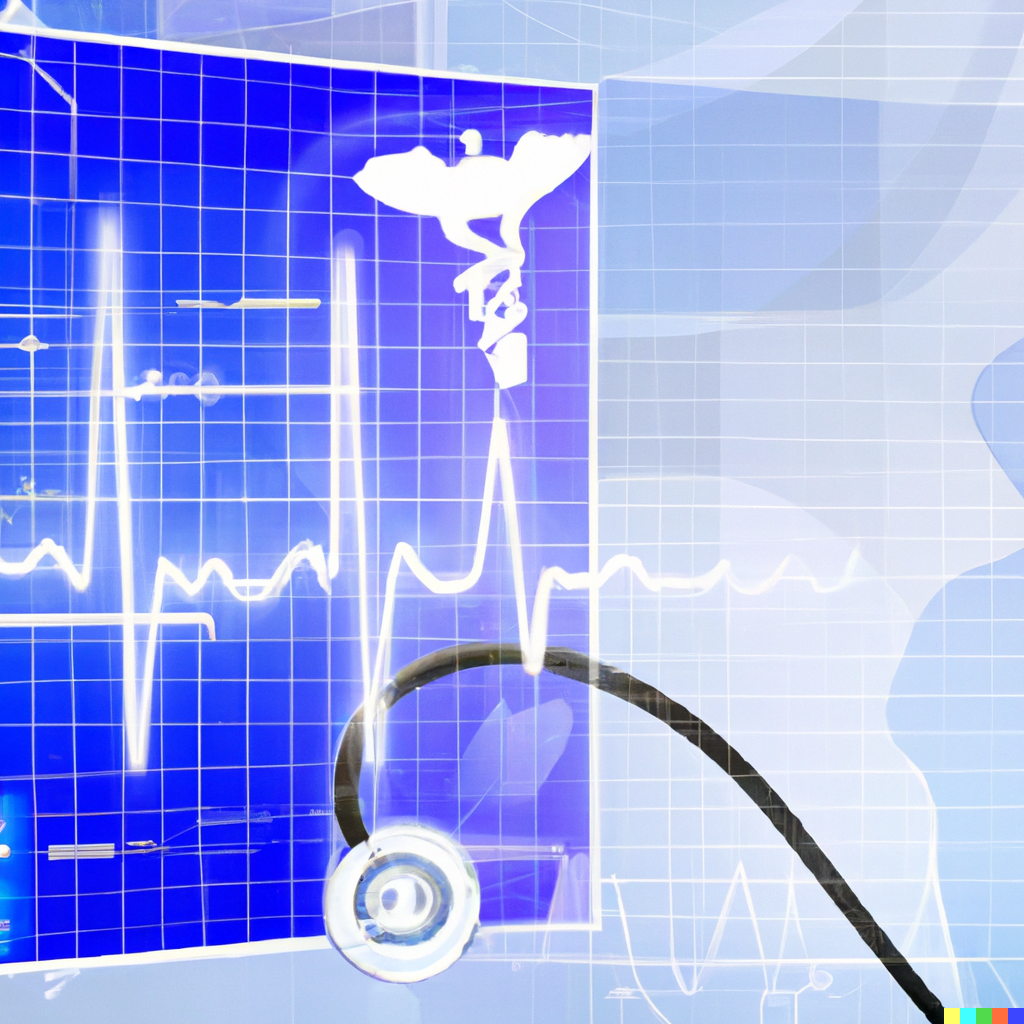
Medical technology, commonly known as MedTech, is transforming the way healthcare is delivered, diagnosed, monitored, and managed. From advanced imaging systems and robotic surgery to wearable health devices and artificial intelligence, MedTech is bringing together medicine, engineering, software, data science, and biotechnology to address some of healthcare’s most complex challenges.
The global healthcare industry is moving toward a more connected, personalized, data-driven, and preventive model of care. At the center of this transformation is MedTech.
Today, medical technologies can help physicians detect diseases earlier, perform procedures with greater precision, monitor patients remotely, improve clinical decision-making, and provide individuals with greater control over their health.
This article explores what MedTech is, the technologies driving its growth, its benefits and challenges, major applications, and what the future may hold for the industry.
Medical Technology, or MedTech, refers to technologies, devices, systems, software, and products designed to prevent, diagnose, monitor, treat, or manage medical conditions and improve health outcomes.
MedTech encompasses a remarkably broad range of products and technologies, including:
Some MedTech products are relatively simple, such as thermometers and blood-pressure monitors, while others are highly sophisticated systems that combine sensors, software, robotics, artificial intelligence, and advanced materials.
The primary goal remains the same: to improve the prevention, diagnosis, treatment, monitoring, and management of health conditions.
Healthcare systems around the world face growing pressure from aging populations, chronic diseases, rising healthcare costs, workforce shortages, and increasing demand for accessible care.
MedTech can help address many of these challenges.
Early diagnosis can significantly improve the management of many diseases. Modern imaging, laboratory diagnostics, molecular testing, and AI-assisted analysis can help clinicians identify abnormalities and diseases earlier.
For example, advanced imaging technologies can provide highly detailed views of organs and tissues, while machine-learning systems can assist clinicians in identifying patterns that may otherwise be difficult to detect.
Technology enables physicians to perform increasingly sophisticated procedures with greater precision.
Robotic-assisted surgery, image-guided interventions, minimally invasive devices, and advanced implants can potentially reduce tissue damage, improve procedural accuracy, and support faster recovery in appropriate clinical situations.
Traditional healthcare often relies on periodic visits to clinics or hospitals. Connected devices are changing this model.
Wearables and remote monitoring systems can collect information such as:
This information can help healthcare professionals monitor patients outside traditional clinical environments.
Every patient is different. MedTech is increasingly supporting personalized approaches to diagnosis and treatment.
By combining patient-specific information with diagnostic technologies, software, sensors, and analytics, healthcare providers can develop more individualized strategies for managing certain conditions.
Telemedicine, remote monitoring, portable diagnostic devices, and digital health platforms can help extend healthcare services beyond traditional hospitals and clinics.
This can be particularly valuable for patients in rural or underserved communities.
MedTech covers numerous areas of healthcare. Some of the most important categories include diagnostic technology, medical devices, digital health, surgical technology, monitoring systems, and rehabilitation technologies.
Accurate diagnosis is fundamental to effective healthcare.
Diagnostic MedTech includes technologies that help healthcare professionals identify diseases and evaluate a patient's condition.
Examples include:
Modern diagnostic technologies increasingly combine hardware with sophisticated software and data analysis.
Artificial intelligence is also becoming increasingly important in areas such as medical imaging and pathology, where algorithms can assist clinicians in identifying patterns in large amounts of medical data.
Wearable technology has become one of the most visible areas of MedTech.
Smartwatches, fitness trackers, wearable sensors, continuous glucose monitoring systems, and other connected devices can collect health-related information while a person goes about their daily life.
Wearables may monitor metrics such as:
The significance of wearable MedTech goes beyond convenience.
Continuous monitoring can potentially provide clinicians with a much richer picture of a patient's health than occasional measurements taken during a clinic visit.
However, consumer wellness data and clinically validated medical measurements are not always equivalent. Medical decisions should therefore rely on appropriately validated and regulated devices and clinical interpretation.
Artificial intelligence is rapidly becoming one of the most important technologies influencing healthcare.
AI systems can process enormous amounts of information and identify patterns that may support clinical decision-making.
Potential applications include:
For example, AI-based systems may analyze medical images and highlight areas that warrant further examination by a clinician.
Importantly, AI is generally most valuable when it supports healthcare professionals rather than attempting to replace clinical judgment altogether.
AI systems can make errors, inherit biases from their training data, and perform differently across populations or clinical environments. Effective implementation therefore requires validation, human oversight, transparency, and ongoing monitoring.
Robotics has introduced a new dimension to surgical care.
Robotic-assisted surgical systems can provide surgeons with highly precise instruments, enhanced visualization, and sophisticated control mechanisms.
Depending on the procedure and system, robotic assistance may enable:
Robotic systems do not mean that a robot independently performs an operation. In many widely used systems, the surgeon remains directly responsible for controlling the instruments.
As robotic technology continues to advance, researchers are exploring increasingly sophisticated capabilities, including improved navigation, automation, computer vision, and AI-assisted surgical systems.
Remote Patient Monitoring (RPM) enables healthcare professionals to collect patient information outside conventional healthcare facilities.
A patient may use a connected medical device at home, with relevant data transmitted to a healthcare provider or monitoring platform.
RPM can be used in areas such as:
One of its major advantages is the ability to detect changes between appointments.
Instead of relying solely on occasional clinical measurements, healthcare providers can potentially receive a more continuous stream of patient information.
Implantable devices are another major component of MedTech.
These devices are placed inside the body to support, replace, or regulate biological functions.
Examples include:
Advances in materials science, electronics, miniaturization, and biomedical engineering are helping researchers develop increasingly sophisticated implantable technologies.
Future implantable devices may incorporate advanced sensors and connectivity, enabling more detailed monitoring of physiological conditions.
3D printing, also known as additive manufacturing, is opening new possibilities in medical technology.
It can be used to manufacture certain medical devices, anatomical models, surgical planning tools, prosthetics, and customized components.
One of the major advantages of 3D printing is customization.
Traditional mass manufacturing generally produces standardized products. 3D printing can make it easier to produce products based on individual anatomical characteristics.
Potential applications include:
Researchers are also investigating bioprinting, where biological materials and cells are used in attempts to create tissue-like structures.
Modern healthcare increasingly depends on software.
Electronic health records, clinical decision-support systems, patient portals, telemedicine platforms, medical imaging software, hospital management systems, and mobile health applications all form part of the broader digital healthcare ecosystem.
Medical software can help healthcare organizations:
As healthcare becomes increasingly digital, the distinction between traditional medical devices and software-based medical technologies is becoming less clear.
This has contributed to the growth of Software as a Medical Device (SaMD) and other software-driven healthcare technologies.
Healthcare generates enormous quantities of data.
This includes information from:
Analyzing this information can help researchers and healthcare organizations identify trends, improve processes, and develop new approaches to care.
However, collecting data is only the beginning.
The real challenge is turning large volumes of information into reliable, clinically useful insights while protecting patient privacy and maintaining data security.
This makes data governance, interoperability, cybersecurity, and responsible analytics critical components of modern MedTech.
The development of MedTech has produced significant benefits across healthcare.
Advanced technologies can help healthcare professionals detect diseases, perform procedures, and monitor patients more effectively.
Modern imaging, laboratory systems, sensors, and AI-assisted technologies can provide clinicians with more information for making medical decisions.
Automation and digital workflows can reduce repetitive tasks and help healthcare organizations manage resources more efficiently.
Technology can support treatment and monitoring strategies tailored to individual patient characteristics.
Connected devices and telehealth technologies can make certain healthcare services available outside traditional clinical environments.
Mobile applications, wearable devices, patient portals, and connected monitoring systems can give individuals greater access to information about their health.
Technology can reduce administrative burdens, provide decision-support tools, and improve access to relevant clinical information.
SHARE THIS:
© Copyright 2026Global Tech AwardsAll Rights Reserved