
June 02 | Space Technology SpaceTech
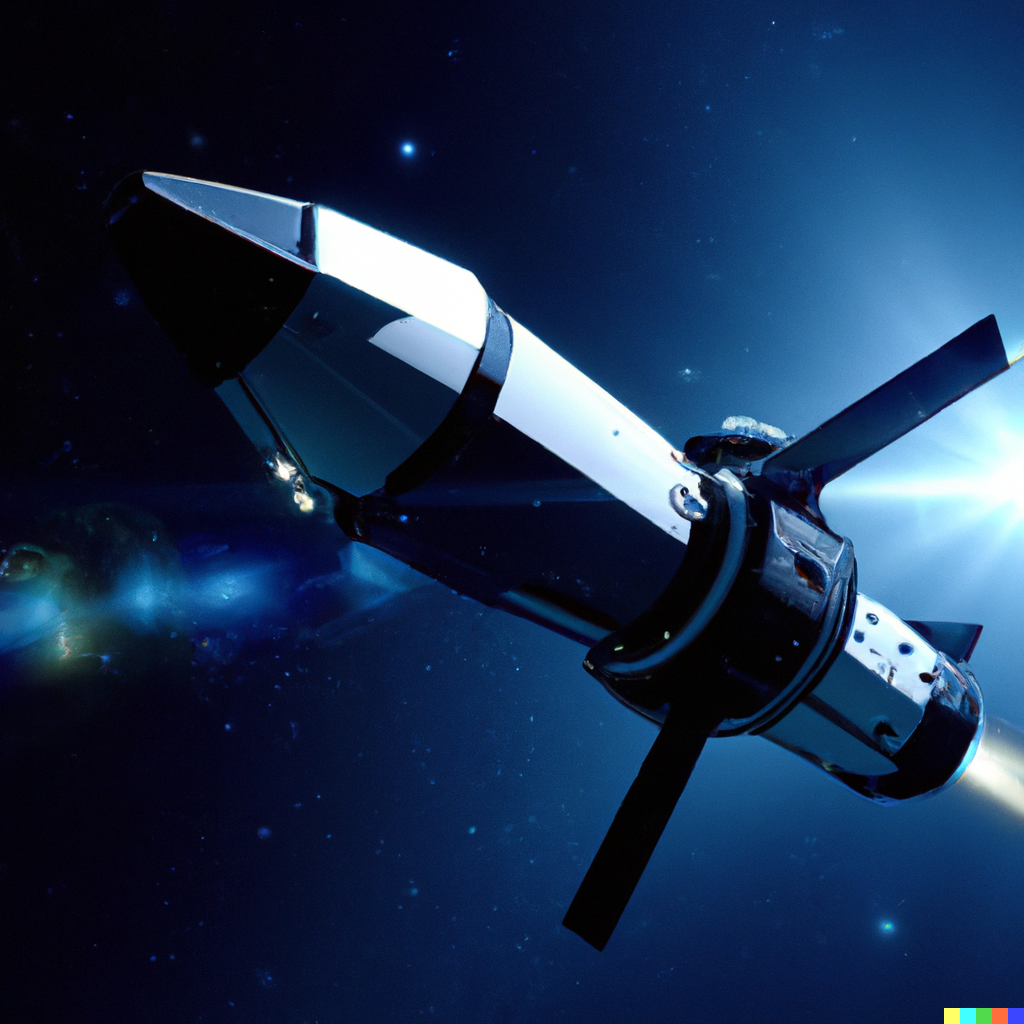
Space Technology, commonly known as SpaceTech, refers to the development and application of technologies designed for space exploration, satellite communications, Earth observation, navigation, and commercial activities beyond our planet. Once dominated by government agencies and national space programs, the sector has evolved into a thriving global industry driven by private companies, startups, research institutions, and international collaborations.
Today, SpaceTech impacts everyday life more than most people realize. From GPS navigation and weather forecasting to global internet connectivity and climate monitoring, space-based technologies have become critical infrastructure for modern society. As launch costs decrease and innovation accelerates, SpaceTech is entering a new era of commercial growth and technological transformation. The global space economy continues to expand rapidly, fueled by advancements in reusable rockets, satellite systems, and emerging in-space services.
The Space Age began in 1957 with the launch of the first artificial satellite, marking humanity's entry into space exploration. During the Cold War, space activities were primarily government-funded, focusing on scientific discovery, national prestige, and defense capabilities.
Over the past two decades, however, the industry has undergone a significant transformation. Private companies have introduced innovative business models, reduced launch costs, and expanded access to space. The commercialization of space has shifted the industry from a government-led endeavor to a dynamic ecosystem that includes launch providers, satellite manufacturers, data analytics firms, and emerging space infrastructure companies.
Satellites represent the largest segment of the SpaceTech market and serve a wide range of applications, including:
Modern satellite constellations operating in Low Earth Orbit (LEO) provide faster communications, improved coverage, and lower latency compared to traditional systems. Satellite systems currently account for a substantial share of global space technology revenues.
Launch vehicles are responsible for transporting satellites, cargo, and spacecraft into orbit. One of the most significant innovations in recent years has been the development of reusable rocket technology.
Reusable launch systems have dramatically lowered the cost of accessing space by allowing rocket components to be recovered, refurbished, and flown multiple times. This advancement has increased launch frequency, expanded commercial opportunities, and accelerated the deployment of satellite constellations.
Earth observation satellites collect data about the planet's atmosphere, oceans, land surfaces, and environmental conditions. Governments, businesses, and researchers use this information for:
The growing demand for real-time geospatial intelligence has made Earth observation one of the fastest-growing applications within the SpaceTech ecosystem.
Beyond satellites and rockets, the industry is increasingly investing in infrastructure that supports long-term operations in space, including:
Recent investments in orbital mobility and infrastructure companies demonstrate the growing demand for services that extend beyond launch and support sustainable operations in orbit.
Artificial intelligence (AI) is transforming space operations by enabling autonomous navigation, predictive maintenance, mission planning, and advanced data analysis. AI-powered systems can process vast amounts of satellite imagery and sensor data, providing actionable insights for governments and businesses.
The development of smaller, lighter, and more capable satellites has significantly reduced manufacturing and deployment costs. CubeSats and small satellite platforms allow startups, universities, and emerging space nations to participate in the space economy.
Space-based IoT networks enable connectivity in remote and underserved regions where terrestrial infrastructure is unavailable. These systems support industries such as agriculture, logistics, maritime transportation, and environmental monitoring.
New propulsion technologies are improving spacecraft efficiency, reducing travel times, and enabling more ambitious missions. These innovations will play a critical role in future lunar exploration, deep-space missions, and commercial space transportation.
The emergence of the "New Space" movement has transformed the economics of the industry. Private investment, venture capital, and commercial demand now play major roles in driving innovation.
Several factors are fueling this growth:
Industry forecasts suggest the space economy could grow significantly over the next decade, with commercial activities becoming an increasingly dominant contributor to overall revenue.
Recent investment activity highlights strong confidence in the sector, with space-focused companies attracting substantial funding to develop orbital transportation, satellite services, and next-generation infrastructure.
Despite its rapid growth, the industry faces several challenges:
The increasing number of satellites in orbit raises concerns about collisions and orbital congestion. Effective debris management and responsible space operations are essential for long-term sustainability.
Space activities involve international treaties, national regulations, spectrum allocation, and licensing requirements. Harmonizing global regulations remains a significant challenge.
Space projects often require substantial upfront investment, long development cycles, and complex engineering processes, creating barriers for new entrants.
As launch activity increases, researchers and policymakers are paying closer attention to the environmental impact of rocket launches and satellite constellations. Sustainable design and reusable systems are becoming increasingly important considerations.
The next decade could unlock entirely new markets and business models, including:
Governments and private companies worldwide are investing heavily in technologies that will support a long-term human presence beyond Earth. At the same time, commercial opportunities in satellite communications, Earth intelligence, and space infrastructure continue to expand.
Space Technology is no longer a niche industry reserved for governments and astronauts. It has become a critical pillar of the global economy, influencing communications, transportation, security, environmental monitoring, and scientific discovery.
Driven by reusable launch systems, advanced satellites, artificial intelligence, and growing private investment, the SpaceTech sector is reshaping how humanity interacts with space. As innovation continues to accelerate and costs decline, opportunities for businesses, investors, researchers, and governments will expand dramatically.
The future of SpaceTech extends far beyond exploration. It represents the foundation of a new economic frontier—one that will connect, protect, and empower life on Earth while enabling humanity's expansion into the solar system.
SHARE THIS:
© Copyright 2026Global Tech AwardsAll Rights Reserved