The Evolution of Video Technology (VideoTech): How We Got Here & What Comes Next

December 02 | Video Technology VideoTech

This article provides a clear, engaging overview of Video Technology (VideoTech)—its evolution, core components, and the innovative trends shaping its future. From digital cameras and compression codecs to AI-driven editing, streaming infrastructure, and virtual production, it highlights how VideoTech is transforming the way we create, deliver, and experience video in the modern world.

Video technology—often shortened to VideoTech—has become the backbone of today’s digital world. From streaming platforms and video conferencing tools to AI-powered editing and immersive reality experiences, VideoTech is transforming how we communicate, learn, entertain, and do business.

This detailed blog article explores what VideoTech is, its history, the technologies behind it, current trends, and where the future is headed.

What Is Video Technology (VideoTech)?

VideoTech refers to the tools, systems, and innovations used to capture, encode, transmit, store, analyze, and display video content. It spans everything from camera sensors and codecs to global streaming platforms and AI-driven automation.

In short:

VideoTech is everything that makes modern video experiences possible.

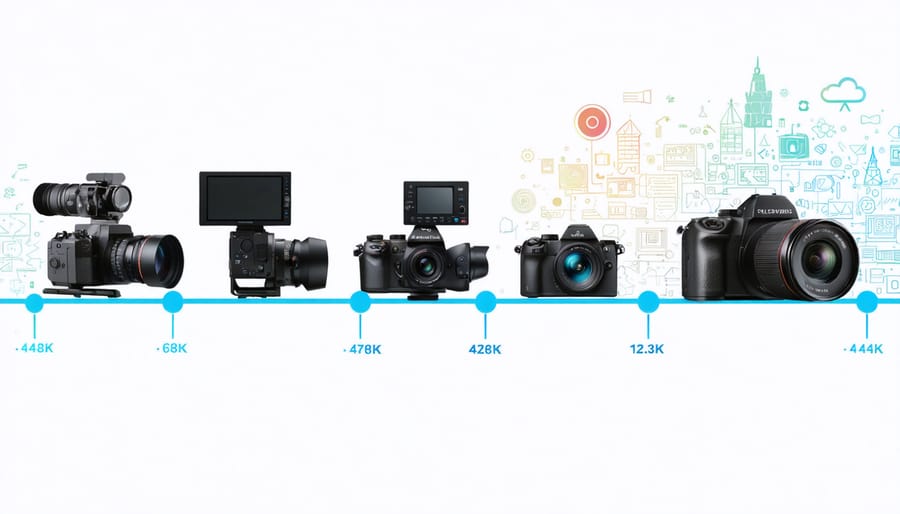
1. The Evolution of Video Technology

https://sp-ao.shortpixel.ai/client/to_webp%2Cq_glossy%2Cret_img/https%3A//www.wowza.com/wp-content/uploads/The-History-of-Video-Technology-Infographic-700x2438.jpeg

https://www.canonoutsideofauto.ca/wp-content/uploads/2024/12/evolution-video-cameras-timeline.jpeg

Early Days: Analog Foundations

  • 1920s–30s: First mechanical and electronic television systems
  • 1950s–70s: Broadcast TV and color television
  • 1970s–90s: VHS, Betamax, and analog camcorders

These technologies introduced the idea of video as a mass-communication medium, but their limitations—bulky tapes, degradation, limited quality—held the format back.

Digital Video Emerges

In the late 1990s and early 2000s:

  • DV cameras replaced analog tape
  • MPEG-2 and DVDs improved quality
  • The first digital editing software (like Final Cut Pro) appeared

Digital formats opened the door to higher resolution, non-linear editing, and eventually online video distribution.

The Streaming Revolution

The 2010s brought:

  • Broadband Internet
  • Smartphones
  • Affordable cloud storage
  • YouTube, Netflix, and live streaming platforms

Suddenly, video became on-demand, portable, and global.

Today: The AI-Powered Video Era

From 2020 onward:

  • AI video editing
  • Automated captioning and translation
  • Personalized content algorithms
  • 4K/8K streaming
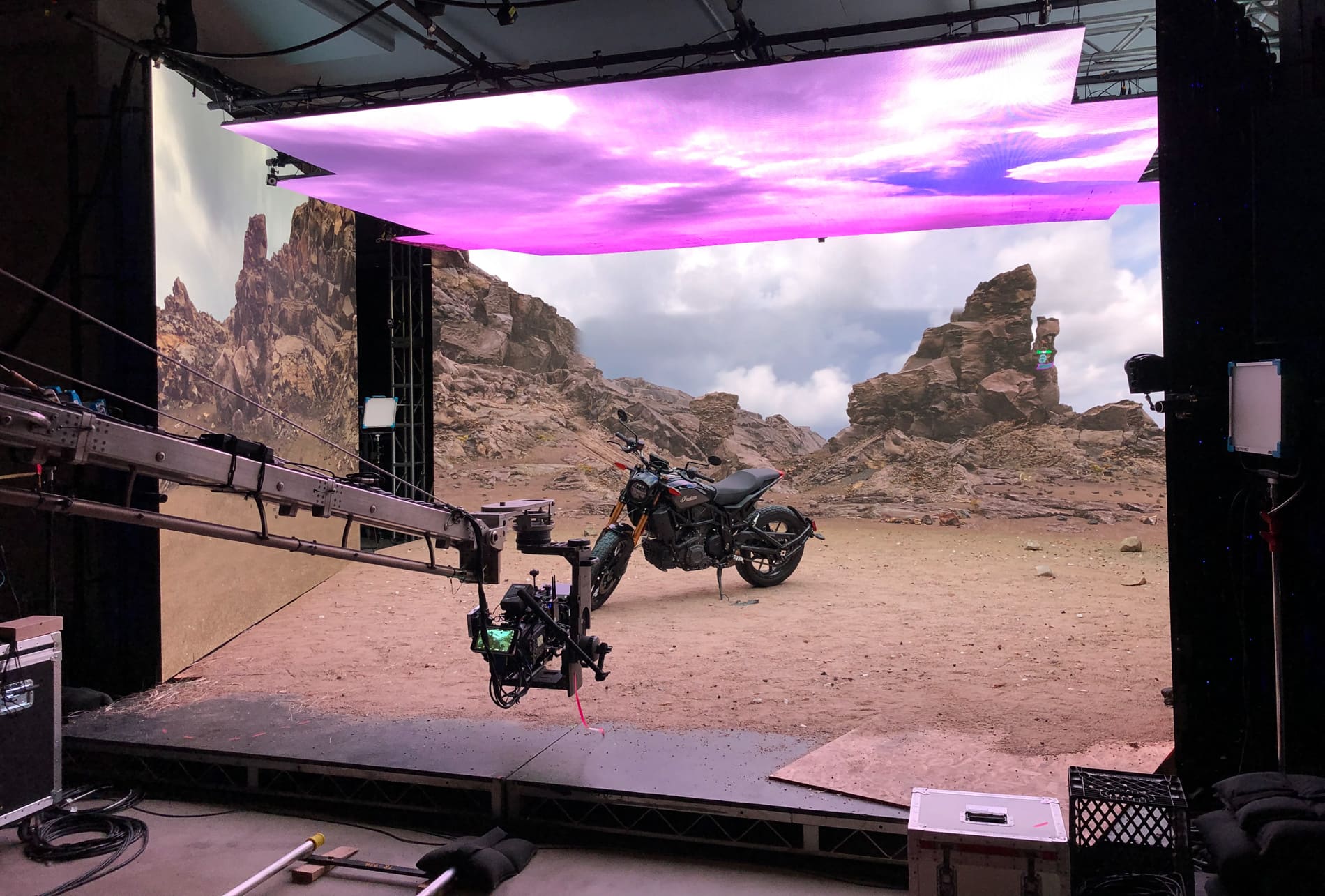
  • Virtual production (LED stages)

VideoTech is now smarter, faster, and more accessible than ever.
2. The Core Technologies Behind VideoTech

https://www.researchgate.net/publication/334616552/figure/fig3/AS%3A790879149240326%401565571691237/Block-diagram-of-video-codec.png

https://www.researchgate.net/publication/282223183/figure/fig1/AS%3A342072134520833%401458567760913/Application-and-deployment-architecture-of-video-processing-system.png

https://mlxrlrwirvff.i.optimole.com/cb%3AUhP2~57313/w%3A1200/h%3A517/q%3A75/https%3A//thinklucid.com/wp-content/uploads/2017/08/CMOS-image-sensor-pipeline-3.jpg

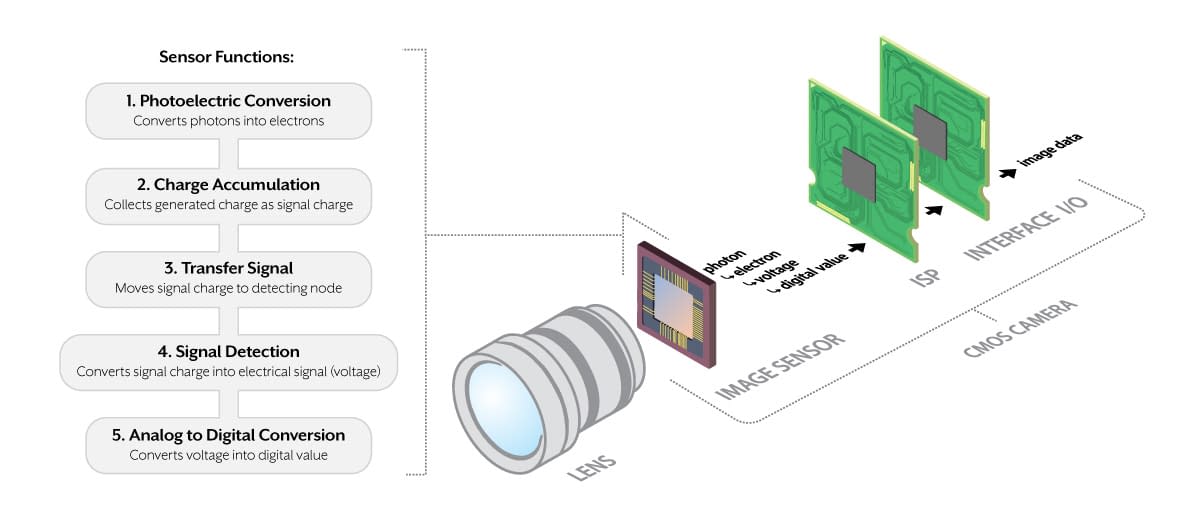
A. Camera & Sensor Technology

Modern cameras combine:

  • CMOS sensors for light capture
  • Optical stabilization
  • HDR imaging
  • Computational photography

Smartphone cameras use AI pipelines to process video in real time—stabilizing, color-grading, and even enhancing low-light performance automatically.

B. Video Compression (Codecs)

Uncompressed video is massive. Codecs like:

  • H.264 / AVC
  • H.265 / HEVC
  • VP9
  • AV1 (newer, royalty-free)

…compress video so it can stream efficiently.

Without compression, Netflix, YouTube, Twitch, or Zoom would be impossible.

C. Streaming Infrastructure

Online video relies on:

  • CDNs (Content Delivery Networks)
  • Adaptive bitrate streaming (ABR)
  • Edge computing

These systems ensure smooth delivery even on slow or unstable networks.

D. Cloud Video Processing

Cloud platforms handle:

  • Encoding and transcoding
  • Storage and global distribution
  • Real-time analytics
  • AI-powered enhancements

This removes the need for local hardware and enables massive platforms to scale.
3. Emerging Trends in VideoTech

https://cdn2.futurepedia.io/2024-11-26T22-26-07.121Z-aPMUoe7lTXgxkL2yP3pN4At9nuy9WV-8g.webp?w=1920

https://www.fxguide.com/wp-content/uploads/2020/02/Mando.jpg

https://delight-vr.com/wp-content/uploads/2018/04/augmented-reality-teaser-fg-02.png

4

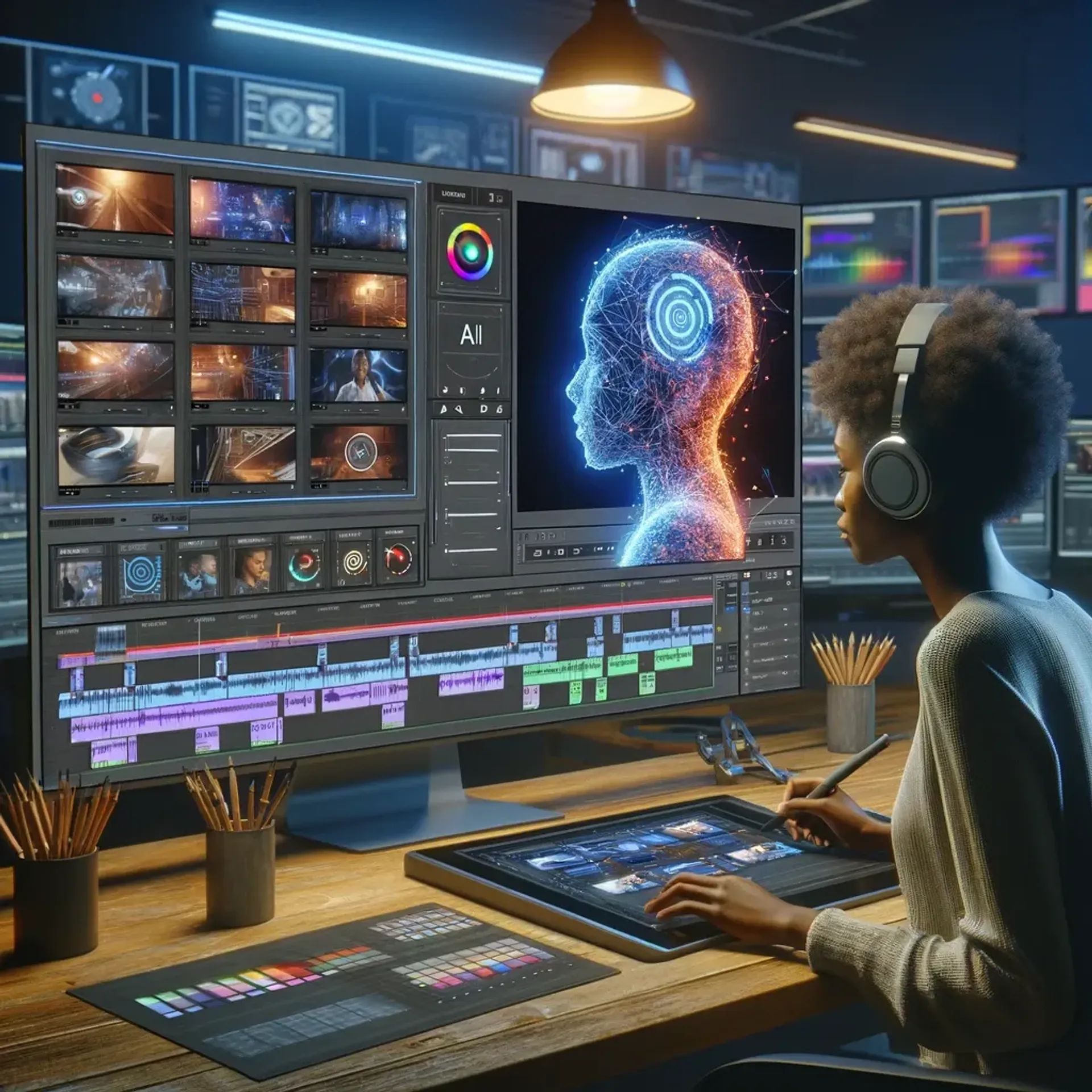
A. AI-Driven Video Creation & Editing

AI now helps with:

  • Auto-editing
  • Motion tracking
  • Color correction
  • Deepfake generation
  • Synthetic video creation

Tools like Runway, Adobe Firefly, and others can generate or edit video with text prompts.

B. 8K and Beyond

Ultra-high-resolution video provides:

  • Unprecedented clarity
  • Better VFX and post-production flexibility
  • Immersive viewing experiences

However, it also demands better compression and faster networks.

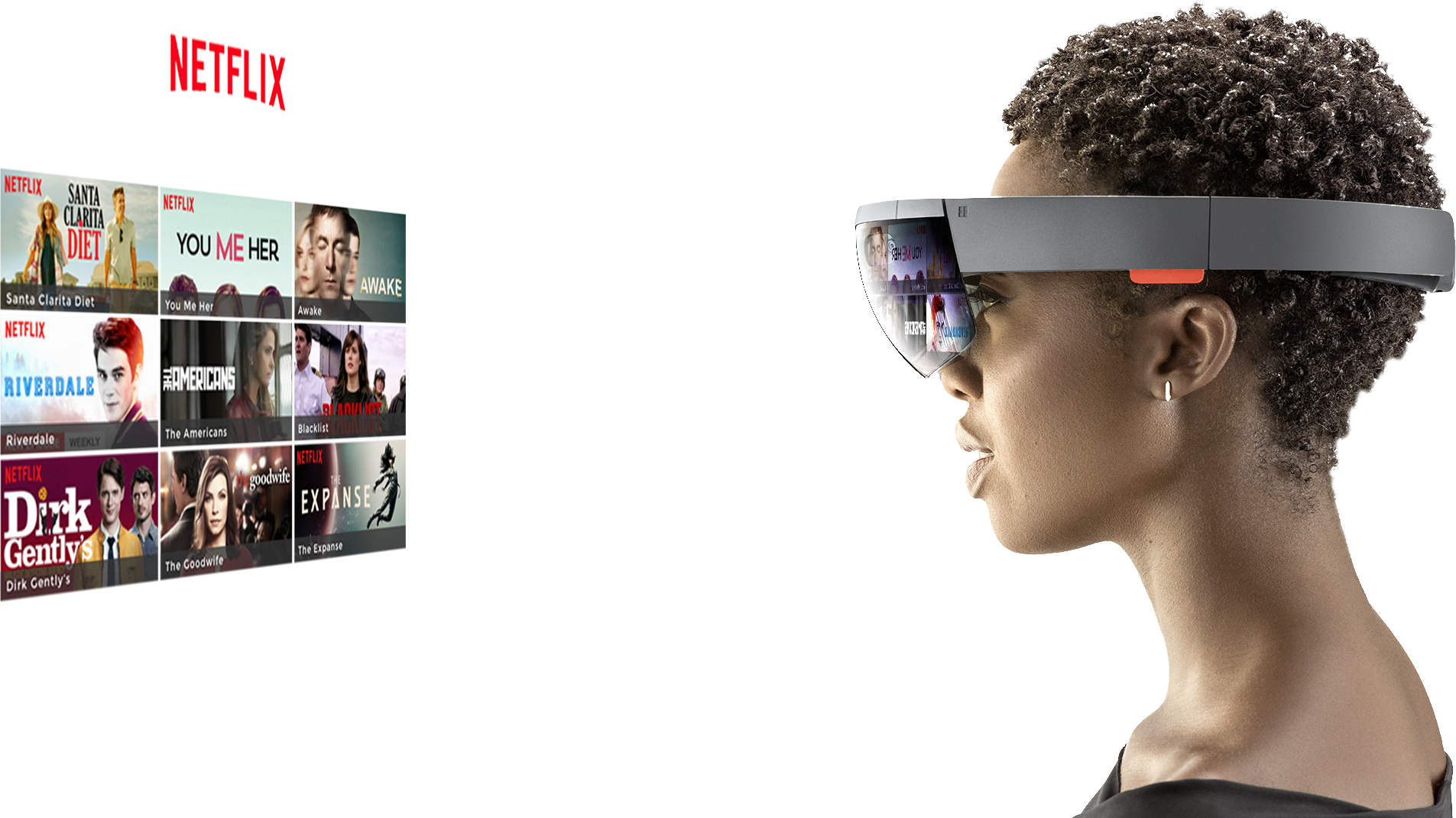
C. Virtual & Augmented Reality Video

VR/AR are blending digital and real-world video:

  • 360° cameras
  • Live AR overlays
  • VR storytelling
  • Mixed-reality concerts and events

These experiences are creating entirely new forms of entertainment and education.

D. Virtual Production

Popularized by films like The Mandalorian, virtual production uses:

  • LED walls
  • Game engines (Unreal Engine)
  • Real-time camera tracking

This reduces the need for physical sets and enables real-time environment changes.

E. Real-Time Video Communication

VideoTech powers:

  • Remote work (Zoom, Teams)
  • Telemedicine
  • Online classrooms
  • Customer support video chat

With AI, these platforms are gaining noise suppression, real-time translation, and emotion analysis.

4. The Future of Video Technology

A. Hyper-Personalized Content

AI will tailor:

  • Recommendations
  • Video length
  • Thumbnails
  • Even video topics
  • based on individual user behavior.

B. Real-Time AI Generation

Soon, anyone could create:

  • Full films
  • Training videos
  • 3D animations
  • …just from a text description.

C. Ultra-Low Latency Networks

5G and next-gen networks will enable:

  • Interactive live video
  • Collaborative VR
  • Cloud gaming
  • Remote robotics

Video won’t just be content—it will be an interface.

D. Sustainable VideoTech

As streaming consumes massive energy worldwide, the industry is exploring:

  • Greener codecs (AV1, VVC)
  • Efficient data centers
  • Renewable-powered CDNs

Sustainable VideoTech is becoming a priority.

Conclusion: VideoTech Is Shaping the Future of Communication

Video technology has evolved from clunky analog tapes to AI-powered, cloud-processed, globally distributed digital video. It continues to accelerate, giving us:

  • Better storytelling
  • More accessible communication
  • Immersive digital worlds
  • Smarter, faster content creation

As VideoTech progresses, it will redefine how humanity learns, connects, and experiences the world.

SHARE THIS:

© Copyright 2025Global Tech AwardsAll Rights Reserved