
February 06 | Communications Technology CommTech
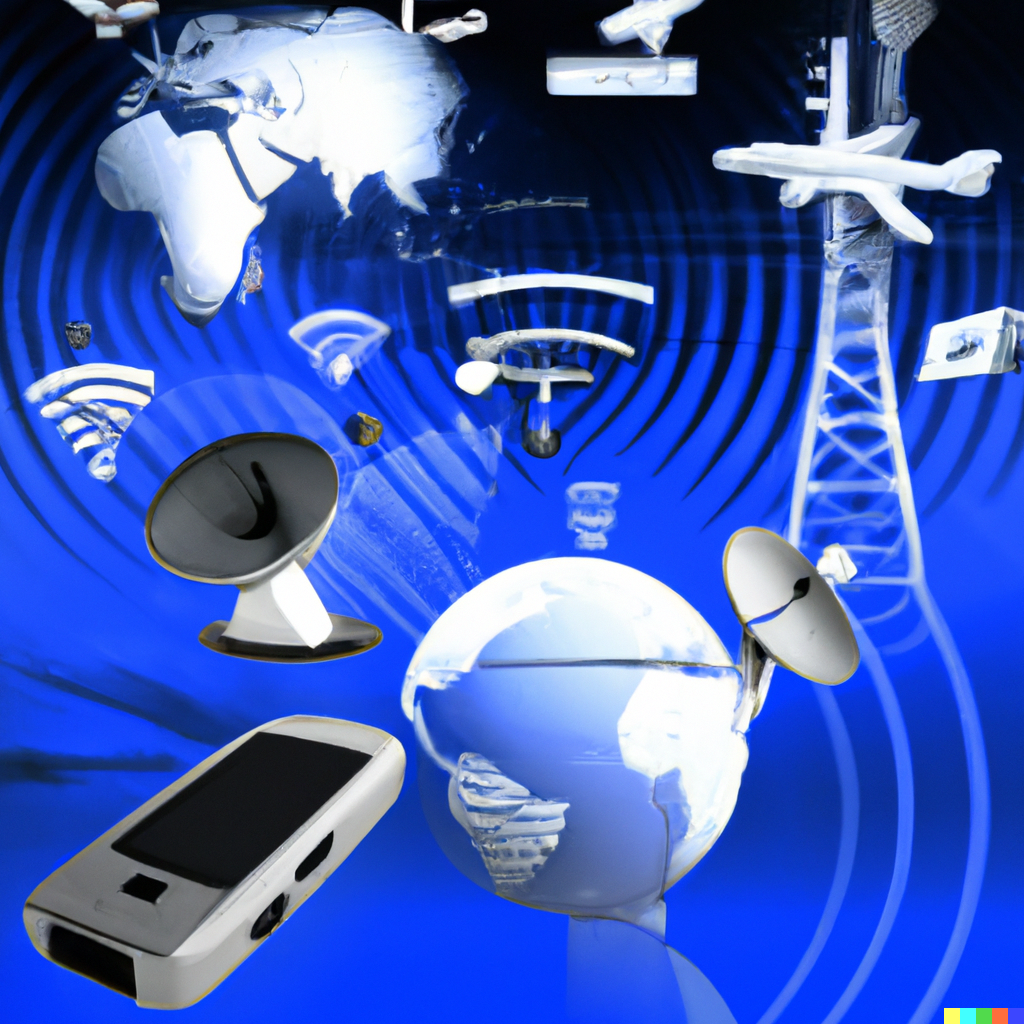
In the last decade, Communications Technology (CommTech) has transformed from a behind-the-scenes enabler to a central driver of digital innovation. Whether you’re managing a corporate network, building a startup, or studying how information flows through society, the story is the same: communication infrastructure has become the backbone of modern life.
From AI-powered collaboration tools to next-generation wireless networks, CommTech is redefining how humans and machines interact. Below, we break down the key trends shaping the industry and the opportunities they present.
One of the biggest shifts in CommTech is the expectation that communication should happen anywhere, anytime, without interruption. This demand has accelerated the rollout of:
As connectivity becomes more robust and universal, industries can deploy technologies previously limited by bandwidth or geographic constraints.
Remote and hybrid work didn’t just spark an increase in video calls—it fundamentally changed the purpose of communication technologies. Today’s collaboration platforms are evolving into integrated digital workspaces that unify:
Platforms like Microsoft Teams, Slack, and Google Workspace are now less about chat and more about orchestrating work. For companies, this means improved productivity and better alignment across distributed teams.
AI is revolutionizing communications on multiple fronts:
AI can now draft emails, summarize meetings, translate languages in real time, analyze sentiment, and even act as a virtual communication coach.
Contact centers use AI to handle inquiries, triage support tickets, and provide multichannel customer experiences.
AI helps identify fraudulent activity, detect unusual network behavior, and automate threat mitigation.
AI isn’t replacing communication—it’s augmenting human capability and reducing the friction in information exchange.
Businesses increasingly rely on cloud-based communications to streamline operations.
This shift reduces infrastructure costs and allows even small organizations to deploy enterprise-grade communication solutions.
IoT is one of the fastest-growing areas in CommTech. Billions of connected devices communicate constantly—monitoring environments, optimizing supply chains, and powering smart appliances.
Key developments include:
These technologies support smart factories, predictive maintenance, and automated logistics systems.
With communication channels multiplying, cyber threats have grown more sophisticated. CommTech security now focuses on:
Organizations that invest in secure communication systems not only protect data but also build trust with customers and partners.
The next wave of communication goes beyond screens. Immersive technologies promise new forms of interaction:
While still early, these tools are gaining traction in education, healthcare, engineering, and entertainment.
As digital infrastructure expands, so does its environmental impact. CommTech leaders are prioritizing sustainable solutions such as:
Sustainability is no longer optional—it’s becoming a competitive differentiator.
The future of communications technology will be defined by:
Communications Technology is quickly evolving from simple tools into complex ecosystems that drive innovation, enable new business models, and reshape daily life. For professionals, students, and organizations in this field, the coming years offer unprecedented opportunities.
SHARE THIS:
© Copyright 2026Global Tech AwardsAll Rights Reserved