
March 25 | Animation Technology
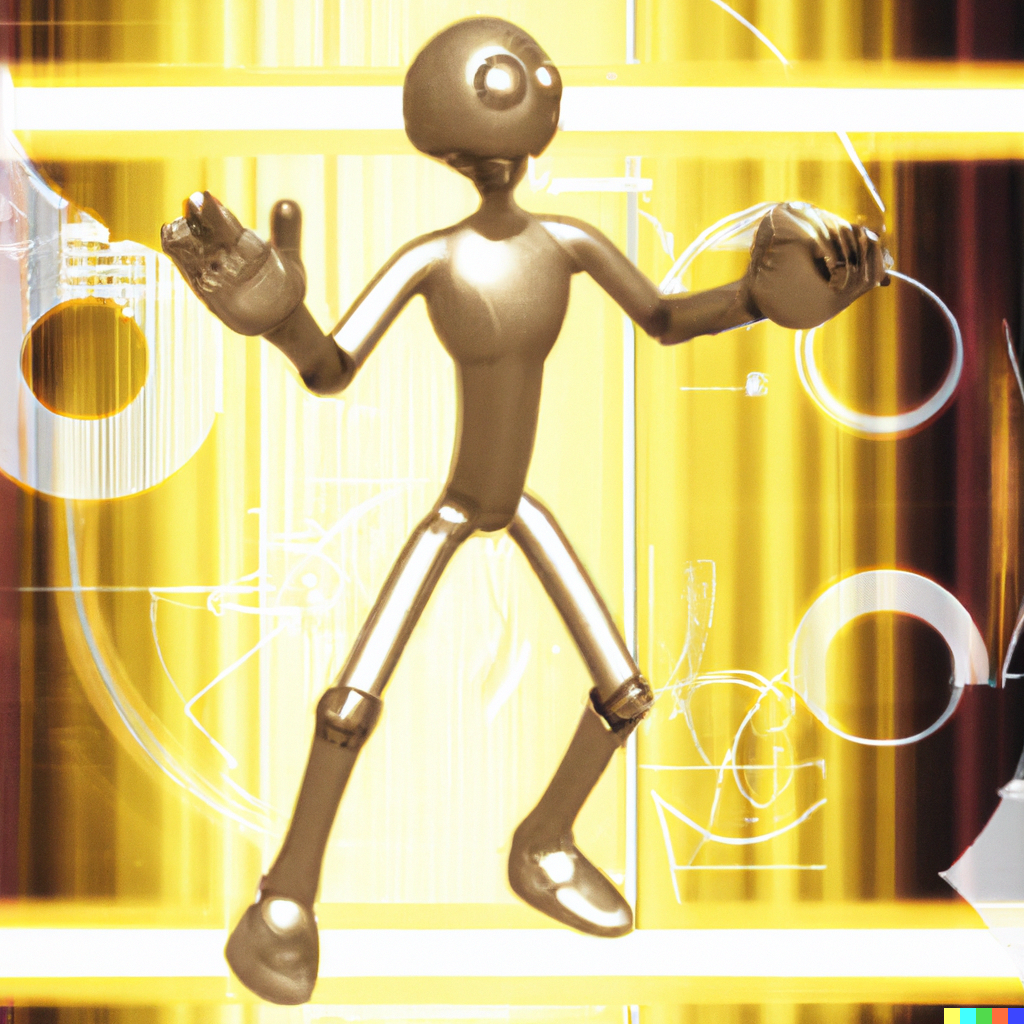
In the last decade, animation has undergone one of the most rapid technological evolutions in its history. What began as hand-drawn frames scanned into computers has transformed into a sophisticated blend of digital artistry, artificial intelligence, virtualization, and hyper-specialized software. At the heart of this evolution is a growing field many creators now call Animation Technology, or AnimeTech—a discipline shaped by innovation, cross-industry collaboration, and increasingly powerful creative tools.
AnimeTech is the fusion of advanced digital technologies with the art and craft of animation. It sits at the intersection of:
While the “anime” in AnimeTech alludes to the influence of stylized animation aesthetics originating from Japan, the term has come to represent a broader movement: the modernization and enhancement of animation pipelines worldwide.
The demand for animated content has exploded across streaming, gaming, advertising, education, and social media. Modern audiences expect higher visual fidelity and faster content delivery—something traditional production pipelines struggle to accommodate.
AnimeTech addresses these challenges by:
In essence, AnimeTech empowers teams of any size—from indie creators to large productions—to create more ambitious work.
AI is no longer a novelty—it’s a powerful assistant. Modern tools can:
Rather than replacing artists, these systems amplify them, allowing more focus on storytelling and style.
Using game-engine technology, animators can preview scenes instantly rather than waiting hours for renders. Real-time lighting, physics, and post-processing effects create cinematic depth without traditional overhead.
Motion capture (both full-body and facial) gives characters a natural, human quality. Virtual sets let directors “film” animation like live-action, moving cameras through digital environments with lifelike precision.
AnimeTech encourages blending the charm of 2D illustration with the flexibility of 3D modeling. Creators can animate 3D characters with 2D-style shading, simulate dynamic camera angles, and maintain a hand-drawn aesthetic while leveraging modern physics and rigging systems.
Procedural systems create:
Generative models can even prototype concepts or provide variations during pre-production.
Perhaps the biggest impact of AnimeTech isn’t technical—it’s cultural. The tools are becoming easier to learn, more accessible, and more affordable. That democratization leads to:
AnimeTech is transforming animation from a specialized craft into a universal creative language.
With innovation comes new hurdles:
These challenges highlight the need for responsible tool development and thoughtful integration of technology into the creative process.
AnimeTech is building toward an era where:
The future of animation isn’t just more efficient—it’s more imaginative, expressive, and accessible than ever before.
AnimeTech isn’t a trend; it’s a technological movement redefining how animation is created and experienced. For creators, it unlocks new possibilities. For audiences, it promises richer, faster, and more immersive stories. And for the industry as a whole, it marks the beginning of a new creative renaissance.
SHARE THIS:
© Copyright 2026Global Tech AwardsAll Rights Reserved