
May 18 | Animation Technology
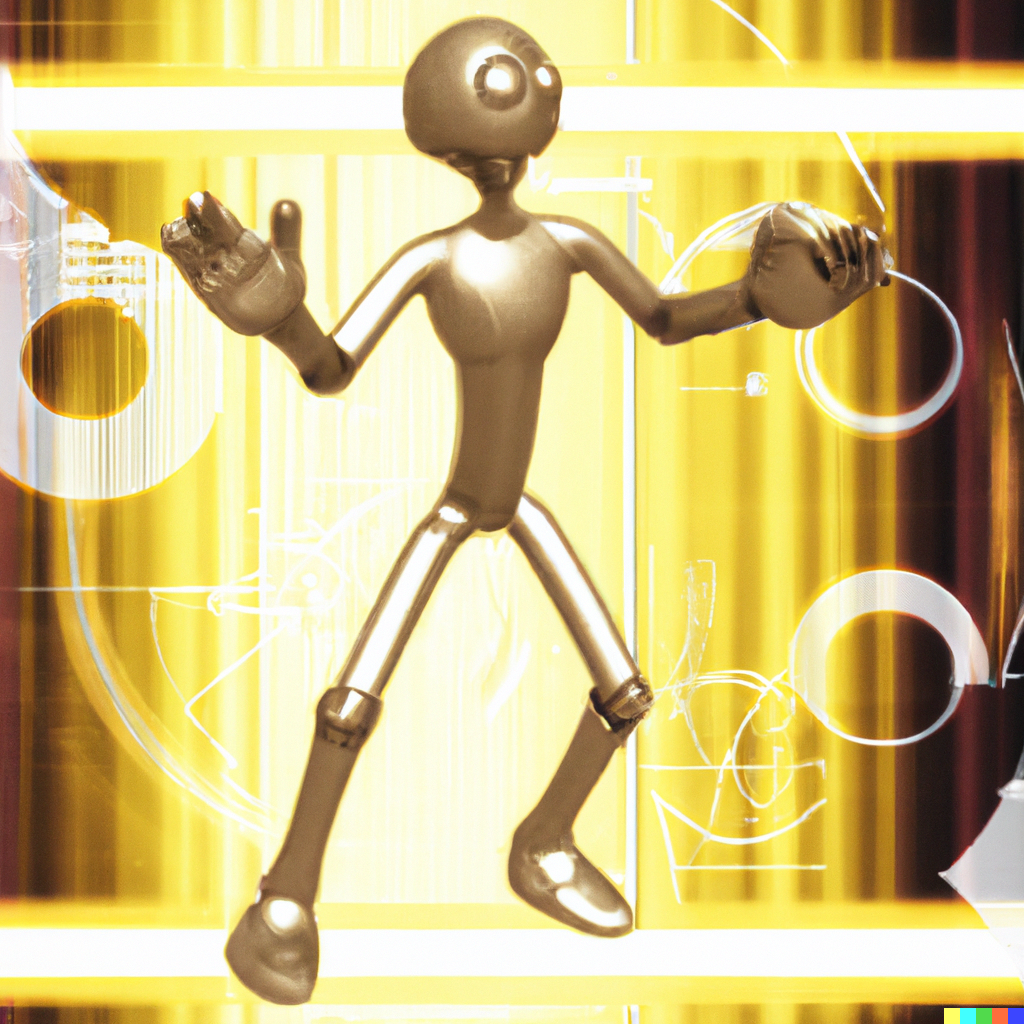
Animation Technology—often dubbed AnimeTech when referring to innovations influencing anime and stylized storytelling—has undergone an extraordinary evolution. Once limited by hand-drawn techniques and analog tools, today’s creators harness advanced software, AI, 3D pipelines, and real-time engines to bring worlds to life with unprecedented speed and style.
This blog dives deep into the modern AnimeTech landscape: how it works, where it’s going, and why it matters.
AnimeTech refers to the collection of tools, software, workflows, and emerging technologies that specifically support the creation of:
Unlike general animation tech, AnimeTech focuses on aesthetic-driven solutions—tech that preserves artistic hand-drawn charm while enabling modern production efficiency.
Earlier anime relied entirely on hand-painted cels. Studios like Studio Ghibli built their storytelling legacy through meticulous craftsmanship and frame-by-frame artistry. Creators such as Hayao Miyazaki perfected expressive 2D animation long before digital tools were widely available.
By the early 2000s, digital paint tools, compositing software, and 2D animation programs replaced physical cels. This transition enabled:
Studios like Toei Animation and Pixar helped popularize hybrid and digital-first approaches—even influencing anime-focused studios.
High-resolution tablets and apps have revolutionized hand-drawn animation.
Common tools include:
These tools maintain hand-drawn nuance while empowering artists with layers, onion-skinning, vector brushes, and rig-based drawing.
Anime studios increasingly integrate 3D modeling for:
But the challenge remains: keeping the 3D from looking too stiff or shiny. Solutions include NPR (non-photorealistic rendering), toon shaders, and line-art extraction tools.
Engines like Unreal Engine and Unity now allow real-time:
This speeds up action-heavy scenes and supports hybrid productions, including VTubing and live character performance.
AI tools now support:
AnimeTech’s responsible use focuses on augmenting artists—not replacing them.
Motion capture helps animators achieve complex movement without manually keyframing every detail. It’s particularly useful for:
This pipeline varies significantly depending on whether a show favors full 2D, 3D, or hybrid anime-style production.
Automation for hair, cloth, crowds, and physics-heavy scenes.
Stylized rendering that mimics watercolor, pencil, ink, or classic cel shading at cinematic quality.
Real-time engines will fuel:
Thanks to AI augmentation and powerful free tools, a handful of creators can produce work that once required entire studios.
AnimeTech democratizes animation—giving small creators access to tools once reserved for industry giants. It also ensures that hand-drawn aesthetics survive the digital revolution, preserving the artistry that defines anime worldwide.
Whether you’re an animator, technologist, or fan, AnimeTech is shaping the future of visual storytelling—one frame at a time.
SHARE THIS:
© Copyright 2026Global Tech AwardsAll Rights Reserved