
January 23 | BeautyTech Beauty Technology
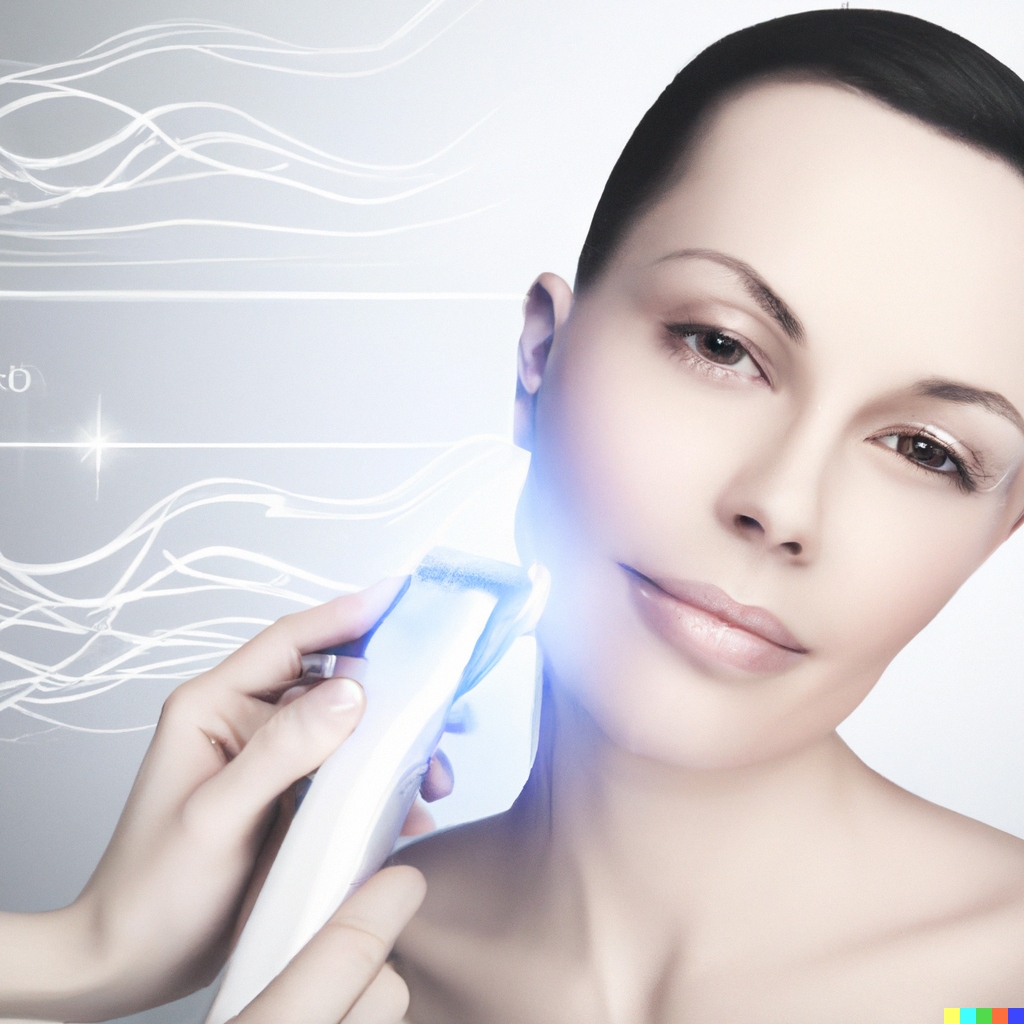
In the last decade, technology has woven its way into nearly every part of our lives—our homes, our health, our transportation, and even our self-care routines. Now, beauty is experiencing its own digital revolution through Beauty Technology (Beauty Tech), a rapidly growing field that blends cosmetic science with cutting-edge innovation. From AI-powered skincare diagnostics to augmented-reality makeup try-ons, the beauty industry is undergoing a transformation that is more personalized, more data-driven, and more inclusive than ever before.
Below, we explore what Beauty Tech is, why it matters, and the groundbreaking innovations shaping its future.
Beauty Tech refers to the integration of technology, science, and cosmetic products to create enhanced, personalized beauty experiences. It spans hardware (like smart mirrors and devices), software (like AI skincare apps), and emerging technologies (such as AR, VR, IoT, and biotechnology).
At its core, Beauty Tech seeks to solve real-world beauty challenges—from understanding skin conditions to finding the perfect shade match—through intelligent and interactive tools.
Consumers no longer want generic recommendations. They want products and routines tailored to their unique skin type, tone, genetics, and lifestyle. AI-powered analysis enables brands to deliver customized advice at scale, often more accurately than traditional consultation methods.
Smart beauty devices can analyze pores, hydration levels, and skin texture with clinical-level accuracy. This not only helps track progress but also improves the effectiveness of routines by providing evidence-backed insights.
Beauty Tech removes barriers—AR try-ons support virtual shade matching for all skin tones, and AI-driven formulations can adapt to a wide range of needs. This empowers users who may not have access to in-person beauty advisors.
Data is now a driving force behind new beauty products and experiences. Brands use real consumer data to refine formulas, test efficacy, and predict emerging trends.
AI scanning has become one of the most widely adopted technologies in the beauty industry. Using smartphones or smart mirrors, AI systems detect fine lines, redness, pigmentation, acne, and more—providing tailored recommendations in seconds.
Examples:
AR allows customers to “try on” makeup virtually through their smartphone or desktop camera. This revolutionized e-commerce during the pandemic and continues to shape how consumers shop for lipsticks, foundations, eyeliners, and even hair color.
Benefits:
From LED therapy to microcurrent toning, smart tools upgrade at-home self-care routines.
Popular categories include:
Brands now use 3D printing to create custom makeup, face masks, and even skincare patches tailored to a user’s face shape or skin needs.
Bio-fermented ingredients, lab-grown collagen, and microbiome-friendly formulas represent a new era of sustainability and performance. Biotechnology allows for:
Virtual beauty assistants, AR try-ons, and AI quizzes are becoming essential e-commerce tools that increase consumer confidence and reduce product returns.
Brands are moving away from one-size-fits-all. Instead, they offer products mixed on the spot or shipped freshly formulated based on user data.
Beauty Tech overlaps with health and wellness through devices that measure stress levels, sleep quality, and UV exposure—aligning beauty with holistic well-being.
Tech-driven supply chains and biotech ingredients reduce waste, while virtual try-ons decrease the need for physical testers and sample production.
Imagine walking into a store, getting a quick skin scan, and leaving with a personalized serum mixed on the spot. This is already emerging—and it will soon become mainstream.
IoT-driven homes may one day sync with your beauty routine, adjusting humidity levels, lighting, and mirror settings based on your skin needs.
Virtual replicas of your skin barrier, facial structure, or scalp health will allow brands to test products on your digital twin before you even buy them.
Smart patches or clothing could monitor hydration, oil production, and UV exposure in real time.
Beauty Technology isn’t just a trend—it’s a transformative movement redefining how we understand and interact with beauty. With AI, AR, sensors, biotechnology, and hyper-personalization paving the way, the future of beauty will be smarter, more intuitive, and more connected than ever.
As innovation accelerates, Beauty Tech will continue bridging the gap between science and self-expression, empowering people to look and feel their best with tools that understand their individuality.
SHARE THIS:
© Copyright 2026Global Tech AwardsAll Rights Reserved