
January 27 | Bio Technology BioTech
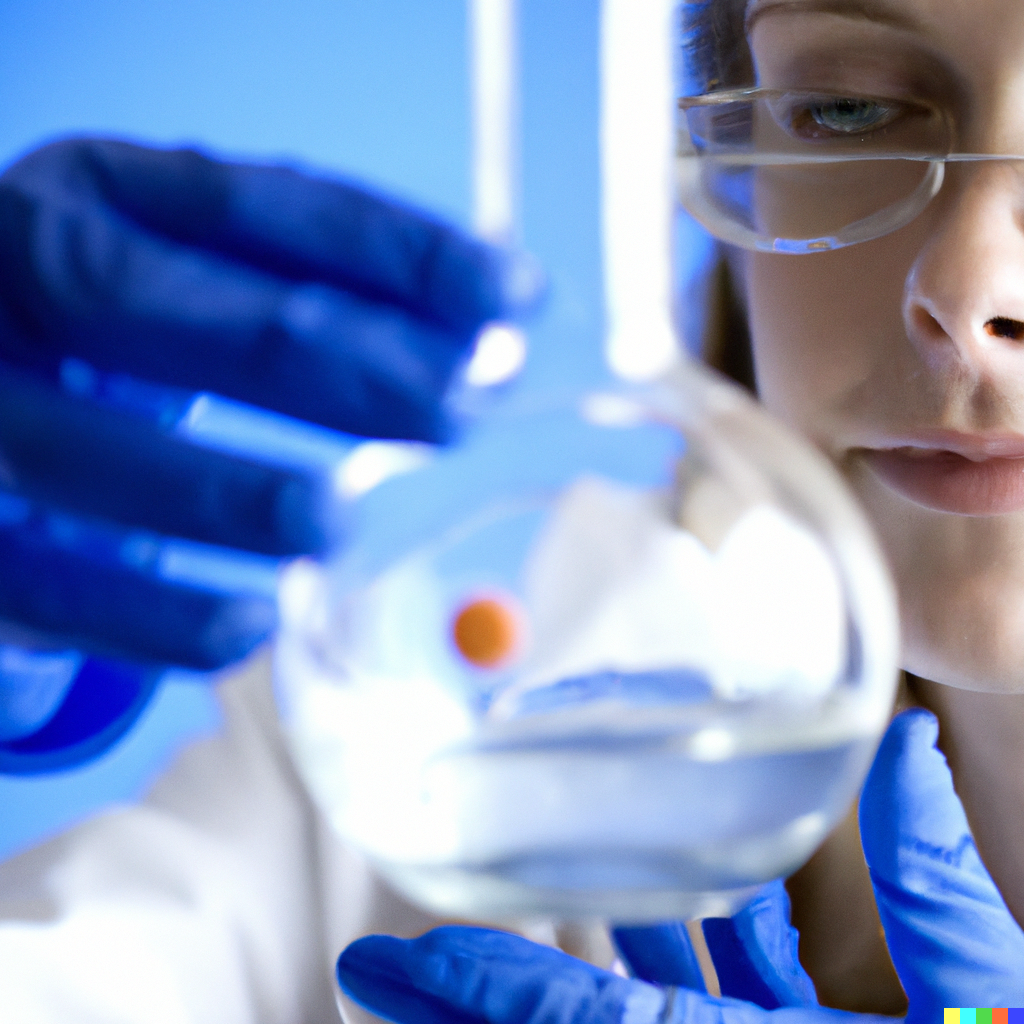
Biotechnology—often simply called BioTech—has rapidly evolved from a niche scientific field into one of the most transformative forces of the 21st century. From gene editing and personalized medicine to lab-grown meat and sustainable manufacturing, advances in biotechnology are changing how we heal, grow, and innovate as a society.
In this article, we’ll explore what biotechnology really is, why it's accelerating so quickly, and how it’s poised to reshape industries across the globe.
Biotechnology is the use of living organisms, cells, or biological systems to develop new products and technologies. At its core, BioTech merges biology, chemistry, and engineering to solve real-world problems.
Biotechnology spans numerous sectors, including:
Although biotechnology has existed for thousands of years (think fermentation for bread or beer), modern BioTech integrates advanced DNA technologies, artificial intelligence, robotics, and computing—unlocking possibilities never before imaginable.
Recent breakthroughs are occurring at the intersection of multiple disciplines. Several key factors are driving this acceleration:
CRISPR-Cas9 has made gene editing faster, cheaper, and more accurate. Scientists can now edit DNA with a level of precision that was once science fiction.
Artificial intelligence accelerates drug discovery, predicts protein structures, designs synthetic pathways, and analyzes biological complexity at unprecedented scales.
Bio-engineers can now design and "print" DNA sequences to create customized organisms that produce fuels, medicines, and materials.
Robotics, cloud labs, and computational biology allow experiments to run at high throughput, lowering costs and increasing innovation.
Healthcare is one of the biggest beneficiaries of BioTech innovation.
Key advancements include:
These innovations aim for a future where diseases are not just treated—but cured at the genetic level.
With global food demand increasing, agricultural BioTech is critical.
Innovations shaping the future include:
BioTech is enabling a shift toward more resilient, nutritious, and sustainable food systems.
BioTech plays a major role in climate and environmental solutions.
Examples include:
These innovations help address some of the world’s most pressing ecological challenges.
Instead of relying on fossil fuels or chemical-intensive processes, companies are turning to biology.
Industrial biotech innovations include:
Biology is becoming a factory—efficient, predictable, and environmentally friendly.
The future of BioTech must balance innovation with responsibility.
The next decade will see BioTech merge deeper with AI, robotics, and computing. Expect rapid progress in:
As biology becomes programmable, the possibilities will only expand.
Biotechnology is no longer confined to labs—it’s shaping industries, economies, and everyday life. From curing diseases to creating sustainable materials, the biotech revolution is accelerating, driven by powerful new tools and interdisciplinary innovation.
Organizations, governments, and individuals that embrace this transformation will play a role in defining a future where biology fuels progress in ways we are only beginning to imagine.
SHARE THIS:
© Copyright 2026Global Tech AwardsAll Rights Reserved