May 04 | Chatbots
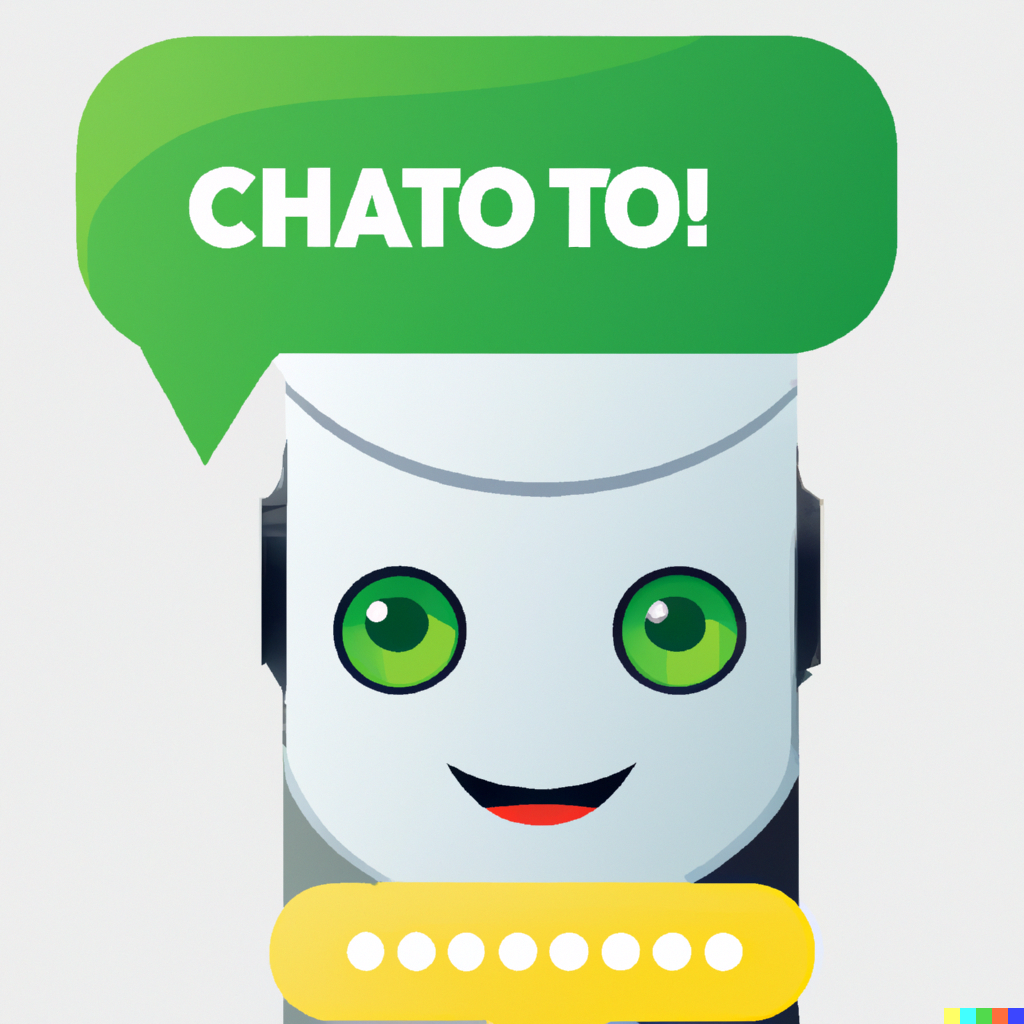
In the last decade, chatbot technology has evolved from simple rule-based programs into intelligent conversational agents capable of understanding context, intent, and emotion. What started as basic customer service automation is now a pillar of modern digital strategy—from e-commerce and healthcare to banking and education.
Today’s advanced chatbots, powered by machine learning and natural language processing (NLP), are not just tools—they’re partners in customer engagement, business efficiency, and innovation.
Chatbot technology combines artificial intelligence (AI), NLP, and automation to simulate human-like conversations through messaging apps, websites, or voice platforms. These systems range from simple if-then scripts to sophisticated AI-driven assistants used by global companies such as OpenAI, Google, and Microsoft Azure.
These operate through predetermined flows. They are ideal for:
Although limited in flexibility, they’re efficient for predictable interactions.
These use machine learning and NLP to:
Systems like IBM Watson Assistant exemplify how AI enhances chatbot intelligence and responsiveness.
Voice-based chatbots leverage automatic speech recognition (ASR) for hands-free interaction. These tools are now integrated into smartphones, smart speakers, and enterprise apps.
NLP breaks down user text or speech into meaning. This involves:
ML enables chatbots to improve over time through data-driven learning.
Chatbots connect with:
This integration allows for a seamless, personalized user experience.
Chatbots never sleep—ensuring customers get instant responses anytime.
Automating repetitive tasks significantly reduces operational costs.
Chatbots handle thousands of conversations simultaneously, unlike human teams.
AI-driven chatbots analyze user behavior to offer tailored recommendations.
Chatbots help guide users, recommend products, and boost customer journeys.
Product recommendations, order tracking, instant customer support.
Fraud detection, account inquiries, personalized financial advice.
Appointment scheduling, symptom triage, patient follow-ups.
Learning assistance, administrative support, virtual tutoring.
Applicant screening, onboarding, internal communication.
Despite their success, chatbots aren’t perfect. Key challenges include:
However, ongoing advancements in AI and NLP are rapidly addressing these limitations.
The future of chatbot technology is incredibly promising. We will see:
More context-aware, emotionally intelligent bots.
Unified experiences across text and voice.
True global support for businesses operating worldwide.
Chatbots acting as full-fledged digital employees.
Bots assisting, not replacing, human teams—creating efficient hybrid workflows.
SHARE THIS:
© Copyright 2026Global Tech AwardsAll Rights Reserved