
December 05 | Retail Technology RetailTech
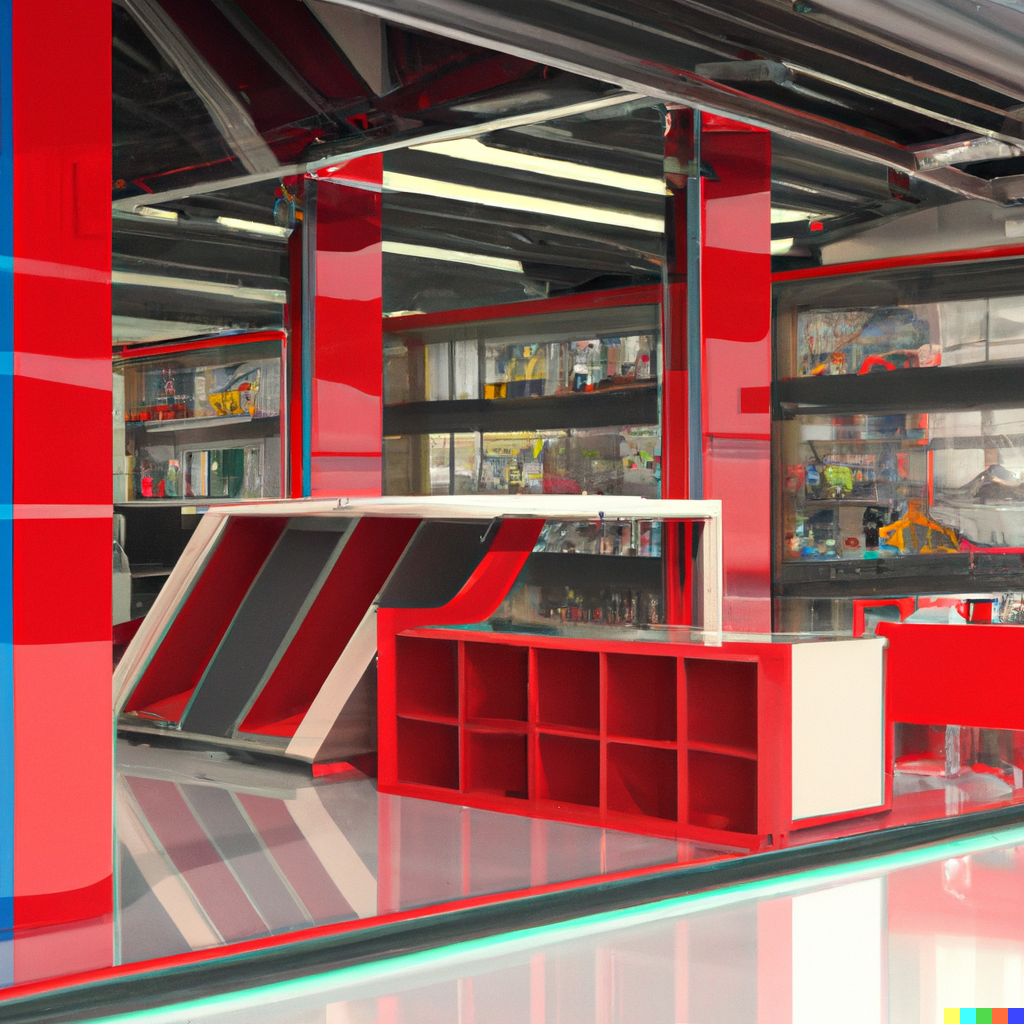
Over the past decade, the retail industry has undergone a profound transformation—one fueled by digital innovation, evolving consumer expectations, and unprecedented global challenges. Retail Technology, or RetailTech, has emerged as the strategic backbone of modern commerce, reshaping every part of the retail ecosystem from supply chains to store shelves to personalized customer engagement.
Today’s retailers are no longer just competing on price or assortment. They’re competing on experience, intelligence, and agility, and RetailTech is the engine powering that shift.
RetailTech refers to the use of advanced digital tools and systems to optimize retail operations, enhance customer experiences, and improve business performance.
It spans a wide range of innovations, including:
In essence, RetailTech acts as a bridge between traditional retail operations and the demands of today’s connected, convenience-driven consumers.

Customers now expect seamless experiences across both digital and physical channels. Fast shipping, personalized recommendations, frictionless checkout, and real-time product availability are no longer differentiators—they’re standard expectations.
Automation and AI reduce reliance on manual processes, helping retailers remain competitive and efficient.
Click-and-collect, same-day delivery, in-store returns for online purchases—RetailTech makes these complex flows smooth and scalable.
Retailers that harness data effectively gain the ability to anticipate customer needs, optimize inventory, and increase loyalty.
Artificial intelligence helps retailers analyze millions of customer interactions to deliver hyper-personalized experiences.
Think: tailored product recommendations, dynamic pricing, and AI-generated promotions that match individual preferences.
Benefits:
From Amazon Go-style checkout-free formats to real-time footfall tracking, computer vision enables automated processes and improved store layouts.
Use cases:
Autonomous robots are increasingly used for shelf scanning, cleaning, warehouse picking, and rapid fulfillment.
Impact:
Modern commerce platforms unify online and offline systems, giving retailers a single view of inventory, customer behavior, and transactions.
Examples:
Augmented reality apps and virtual showrooms allow customers to try products from home—whether it's furniture, cosmetics, or fashion.
Why it matters:
Data drives every modern retail decision. Retailers leverage analytics to:
Advanced predictive analytics and real-time dashboards turn raw data into actionable insights, helping retailers stay agile in a rapidly evolving marketplace.
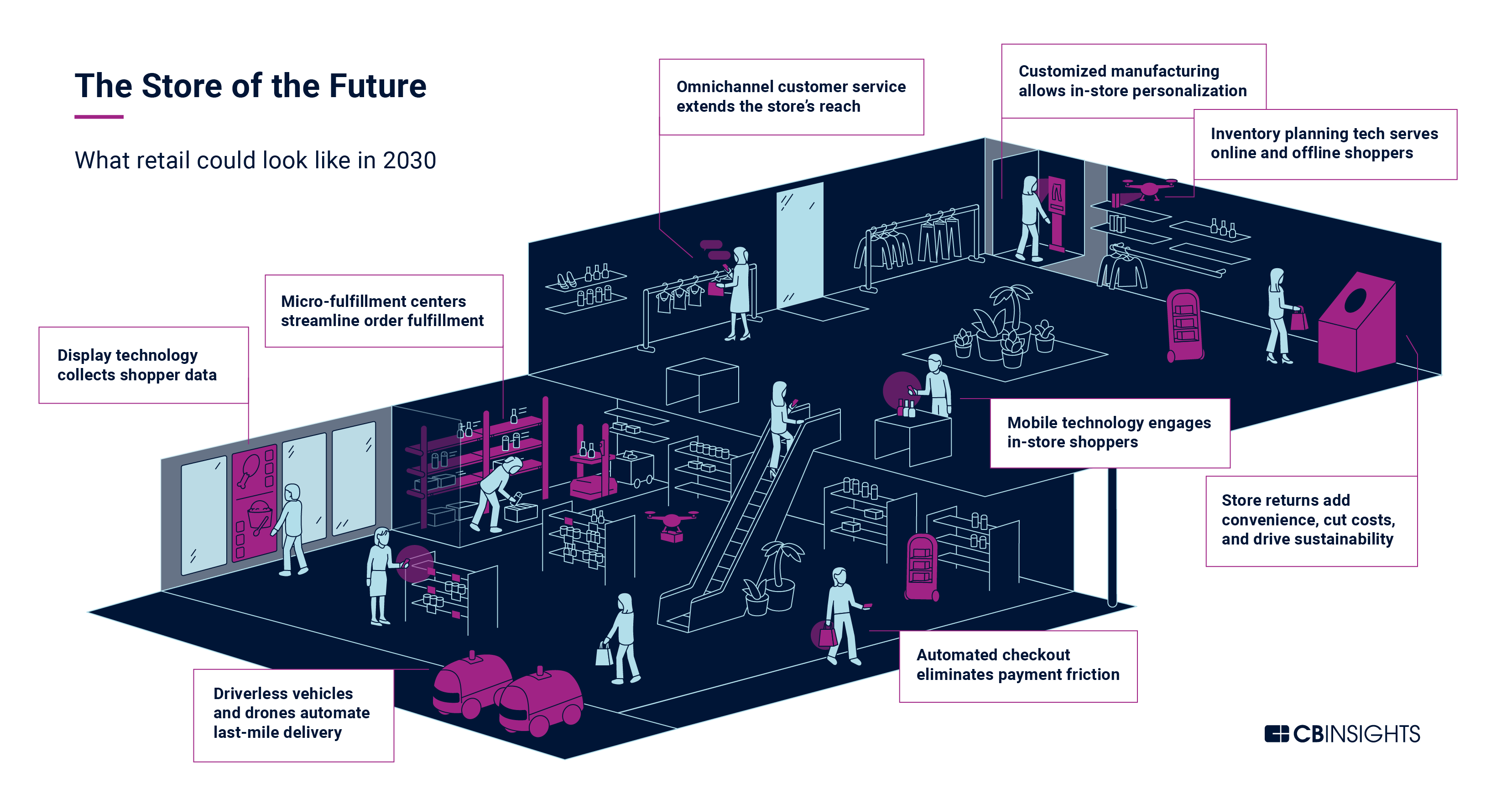
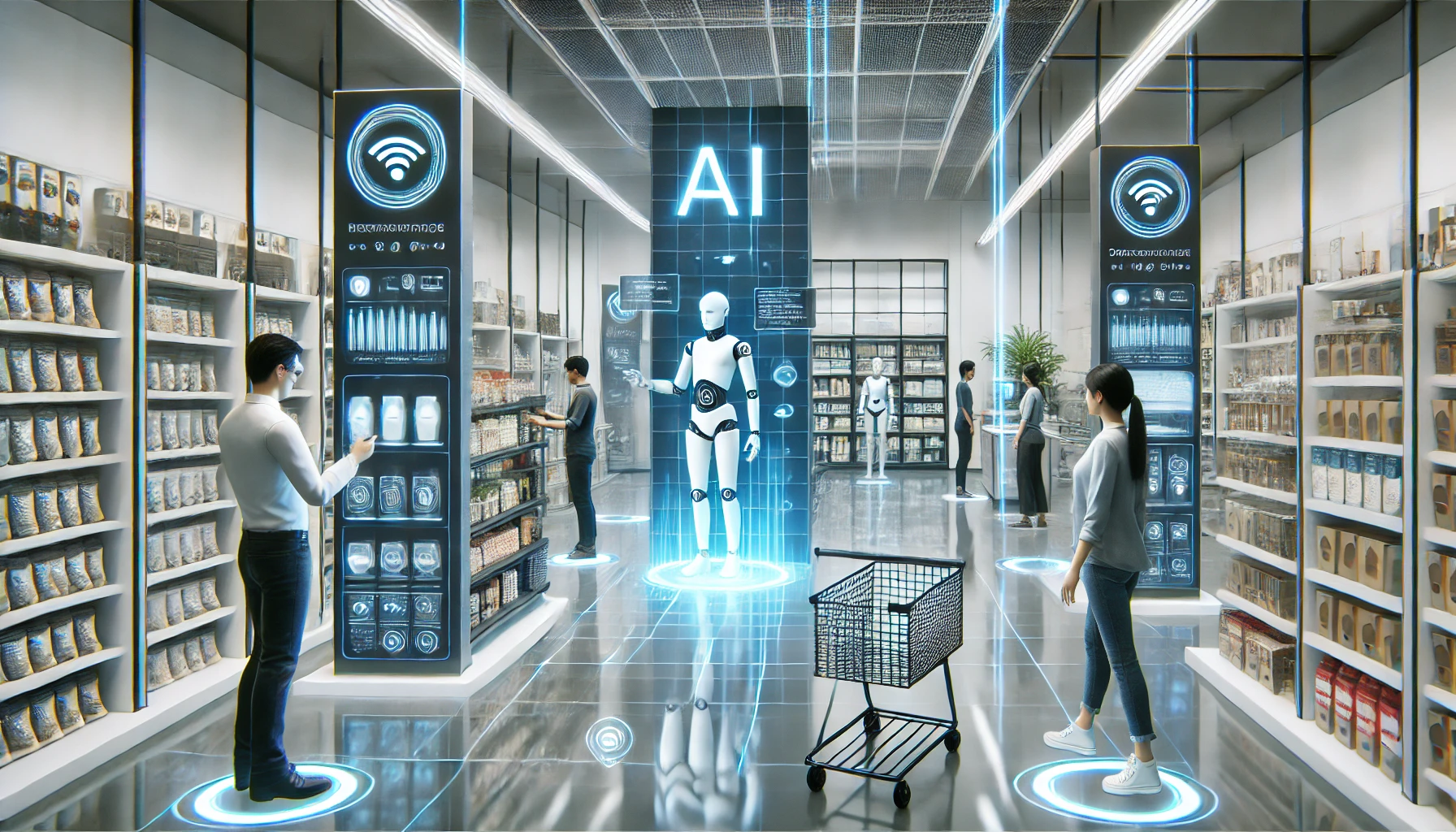

Robotics + AI + computer vision will give rise to highly automated retail environments with minimal human intervention.
The future will bring not just personalization but predictive shopping, where retailers anticipate needs before customers articulate them.
Eco-tracking, energy optimization, and circular commerce platforms will help retailers reduce environmental impact.
Retailers will increasingly rely on machine learning to decide which products to stock, how to price them, and how to display them.
Virtual replicas of stores and supply chains will enable scenario modeling, testing layouts, or forecasting disruptions before they occur.
Despite its promise, RetailTech comes with hurdles:
Retailers who adopt a strategic, phased approach—aligning technology with customer needs—will emerge strongest.
Retail Technology is reshaping the global retail landscape at a remarkable pace. Businesses that embrace AI, automation, omnichannel capabilities, and data-driven decision-making can deliver experiences that delight customers and outperform competitors.
SHARE THIS:
© Copyright 2026Global Tech AwardsAll Rights Reserved