
April 03 | Artificial Intelligence
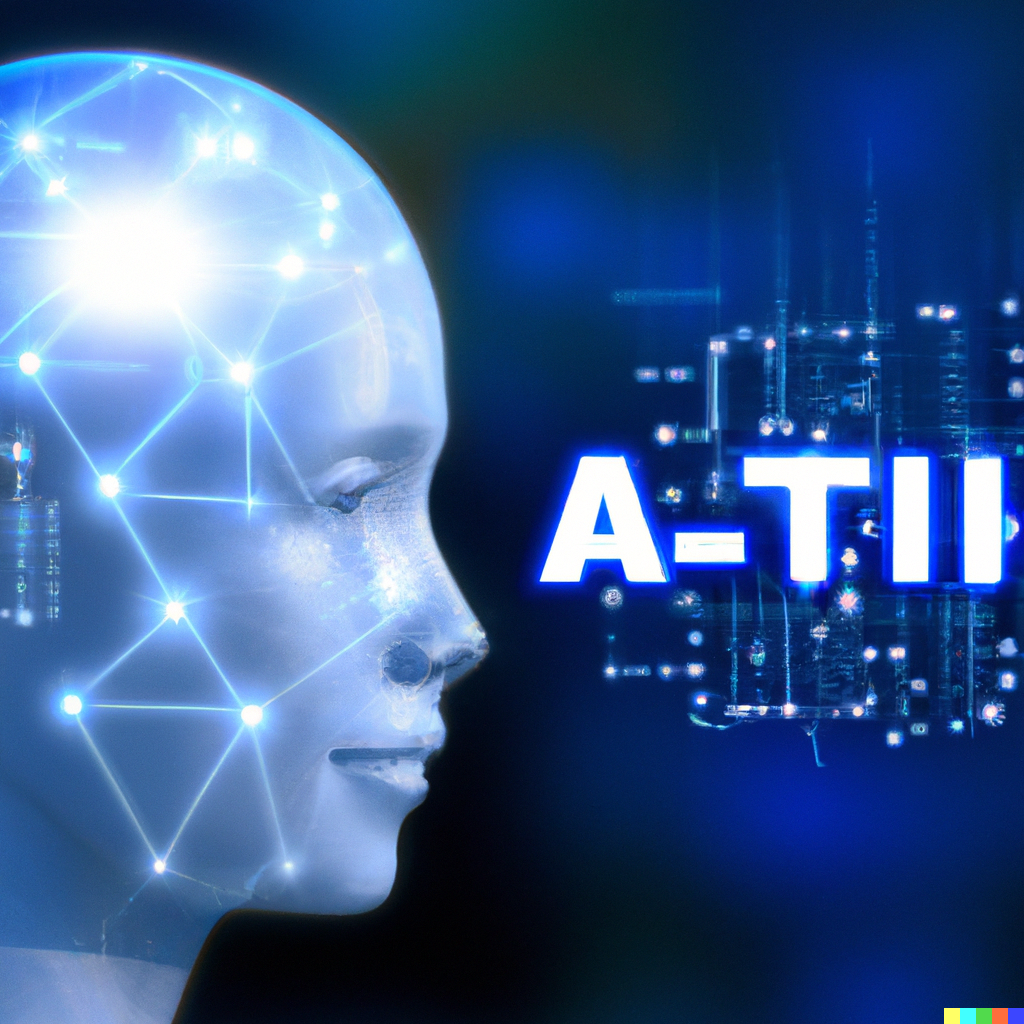
Artificial Intelligence (AI) has rapidly evolved from a niche research domain into one of the most transformative technologies of the 21st century. From everyday conveniences like voice assistants to groundbreaking innovations in healthcare and scientific discovery, AI has become a silent engine powering global progress. Organizations such as OpenAI and Google DeepMind have helped propel the field into mainstream awareness, showcasing just how powerful machine learning models can be.
In this article, we’ll explore what AI is, how it works, why it matters, and where it’s taking us next.
Artificial Intelligence refers to the development of computer systems capable of performing tasks that traditionally require human intelligence. These tasks include:
At its core, AI is about creating systems that can analyze information, learn from it, and act on it—often faster and more accurately than humans.
Modern AI is built on several interrelated technologies:
Machine Learning allows computers to learn patterns from data without being explicitly programmed. Algorithms improve over time as they process more information.
Deep Learning is a subset of ML inspired by the human brain’s neural networks. It excels in areas such as image recognition, speech processing, and complex decision-making.
NLP enables machines to understand and generate human language. Tools like chatbots, translation systems, and virtual assistants depend heavily on NLP.
AI-driven robots can automate physical tasks, from assembling cars to assisting in surgery.
AI is not just a technological trend—it’s a force reshaping nearly every industry. Here’s how:
AI systems analyze medical images, assist in diagnosis, predict disease risks, and streamline hospital workflows. This leads to faster, more accurate care.
Banks use AI for fraud detection, market forecasting, underwriting, and personalized financial recommendations.
Self-driving technologies aim to make travel safer and more efficient. Autonomous systems are already being tested worldwide.
AI-powered tutoring tools adapt to individual learning styles, offering personalized learning experiences and reducing the burden on teachers.
Streaming services use AI to recommend content you love. Video-game studios use AI to create smarter, more realistic gameplay.
SHARE THIS:
© Copyright 2026Global Tech AwardsAll Rights Reserved