
May 05 | Artificial Intelligence
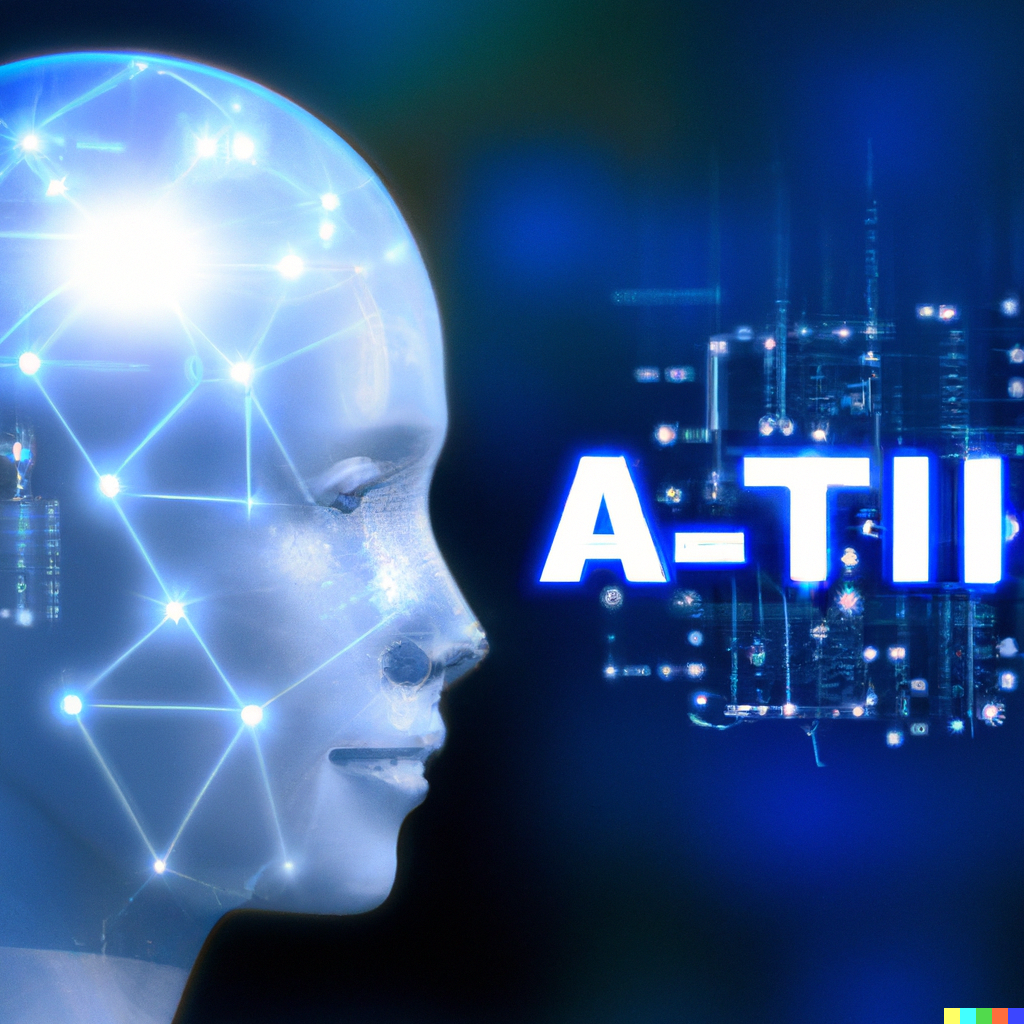
Artificial Intelligence (AI) has moved from science-fiction dream to everyday reality. What was once imagined by early pioneers like Alan Turing is now deeply woven into modern life—from predictive text on your phone to complex systems developed by organizations such as OpenAI and Google.
Today, AI is not just a technological trend; it's a global force reshaping industries, economies, and the way we live.
Artificial Intelligence refers to machines or software capable of performing tasks that typically require human intelligence. These capabilities include:
AI works through techniques such as machine learning, deep learning, neural networks, and natural language processing (NLP). Each plays a unique role in helping computers “think” and “act.”
AI's importance has skyrocketed due to several converging factors:
Humans now generate more data than ever. This data fuels AI training, helping systems learn and improve.
Advances in GPUs, cloud computing, and specialized chips make AI development faster and more affordable.
Modern algorithms enable machines to analyze information with unprecedented accuracy—sometimes surpassing human performance.
From healthcare to transportation, organizations are integrating AI to boost efficiency, reduce costs, and make smarter decisions.
AI is transforming every corner of modern life. Here are some of the most impactful areas:
AI assists in diagnosing diseases, discovering new drugs, analyzing X-rays, and predicting patient outcomes. With precision and speed, AI tools help medical professionals improve care and save lives.
Banks and financial institutions use AI for fraud detection, risk assessment, algorithmic trading, and customer support through chatbots.
AI powers navigation apps, autonomous vehicle systems, and logistics optimization—shaping the future of mobility.
Recommendation engines help consumers discover products tailored to their preferences. AI-driven inventory systems improve supply chain efficiency.
Personalized learning platforms adapt to the pace and style of each student, making education more accessible and effective.
AI chatbots, virtual assistants, and automated support tools reduce response times and improve customer satisfaction.
AI offers advantages that businesses and governments cannot ignore:
Despite its promise, AI comes with challenges:
If AI is trained on biased data, it can reinforce discrimination. Ensuring fairness requires diverse datasets and transparent algorithms.
AI systems often rely on sensitive data. Strong data protection policies are essential to maintain user trust.
Automation may replace certain roles. Upskilling and reskilling strategies are necessary to prepare the workforce for new opportunities.
AI can be misused for cyberattacks, surveillance, or misinformation. Ethical guidelines and regulations are crucial.
Who is responsible when an AI system makes a mistake? Establishing clear legal frameworks is key.
The next decade promises even more innovation:
One thing is certain: AI will continue to expand its impact on the world.
Artificial Intelligence is no longer a futuristic concept—it's a transforative technology shaping our present and redefining our future. From pioneering ideas proposed by early visionaries like Alan Turing to the powerful AI systems developed by organizations such as OpenAI and Google, the journey of AI has been extraordinary.
As we look forward, embracing AI responsibly—through ethical development, thoughtful regulation, and inclusive innovation—will be essential. With the right approach, AI has the potential to improve our lives, solve global challenges, and create a smarter, more connected world.
SHARE THIS:
© Copyright 2026Global Tech AwardsAll Rights Reserved